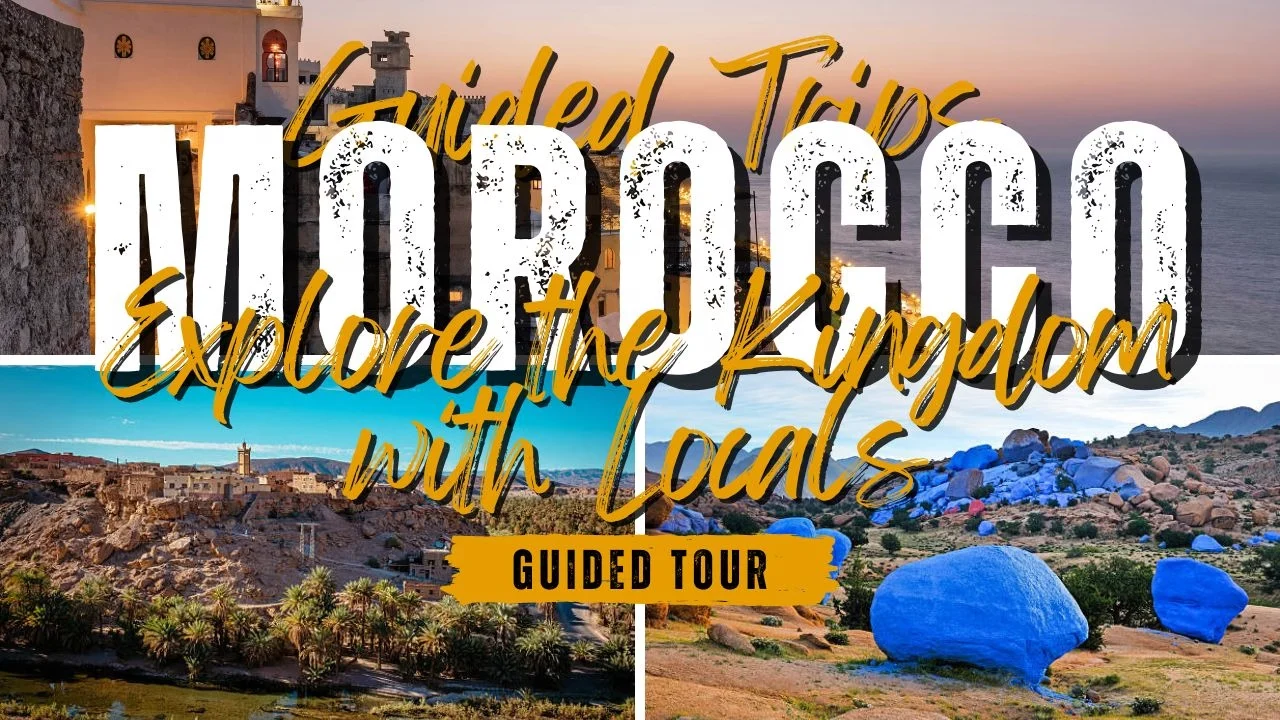
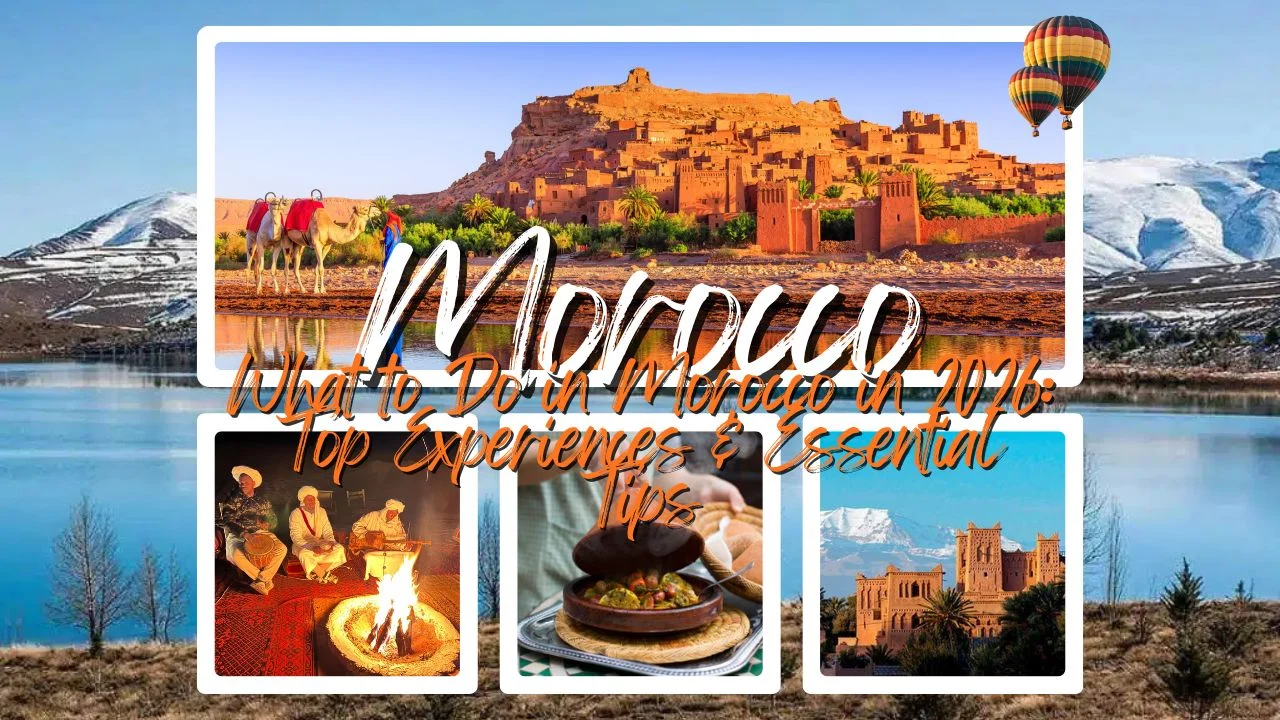
As Morocco prepares to welcome a record number of visitors in 2026, driven by strategic growth and its upcoming co-hosting of the FIFA World Cup, knowing how to plan your trip is more important than ever. This guide on things to do in Morocco moves beyond simple listings to give you a strategic, in-depth look at Morocco’s core experiences—from timeless medinas to luxury desert camps and rugged mountain trails—along with the essential practical knowledge you need to travel wisely.
Morocco’s Tourism Momentum in 2026
Morocco’s tourism sector is in a powerful phase of expansion. In 2025, the country welcomed nearly 20 million international visitors, a significant leap that reflects a structural shift in global demand, not just a temporary boom. Tourism now contributes roughly 7% to the national GDP and is a cornerstone for employment.
This growth is fueled by improved global air connectivity and significant public and private investment, enhancing both the quality and variety of offerings across the country. With an ambitious target of 26 million tourists by 2030 and the global spotlight of the FIFA World Cup on the horizon, 2026 is the perfect year to experience Morocco’s dynamic evolution.
The Allure of the Sahara Desert
A journey into the Sahara is the quintessential Moroccan adventure, offering profound silence, endless starry skies, and breathtaking landscapes.
Things to do in Morocco Sahara: Erg Chebbi vs. Erg Chigaga
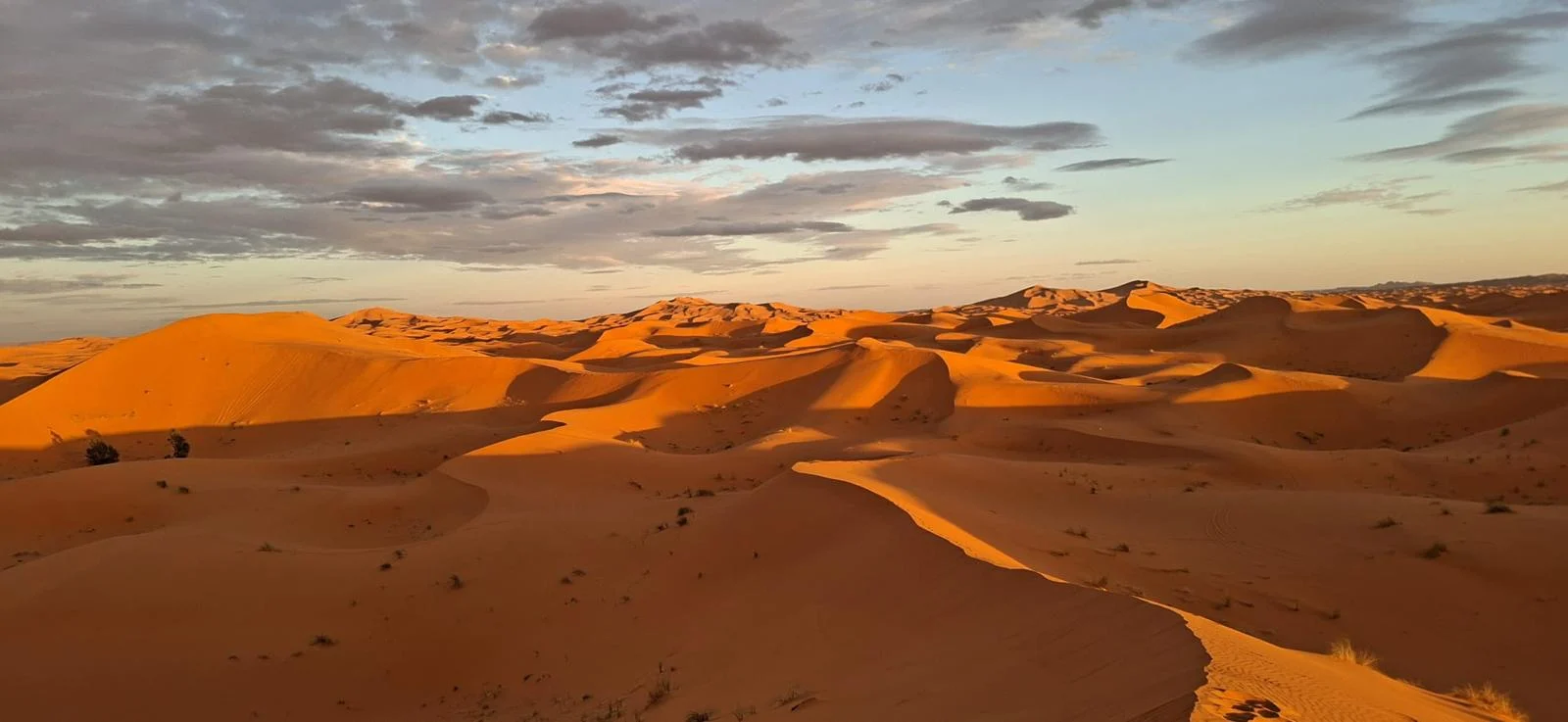
Your desert experience is defined by your choice of dunes. Here’s a comparison to help you decide:
Desert Experiences and Luxurious Stays
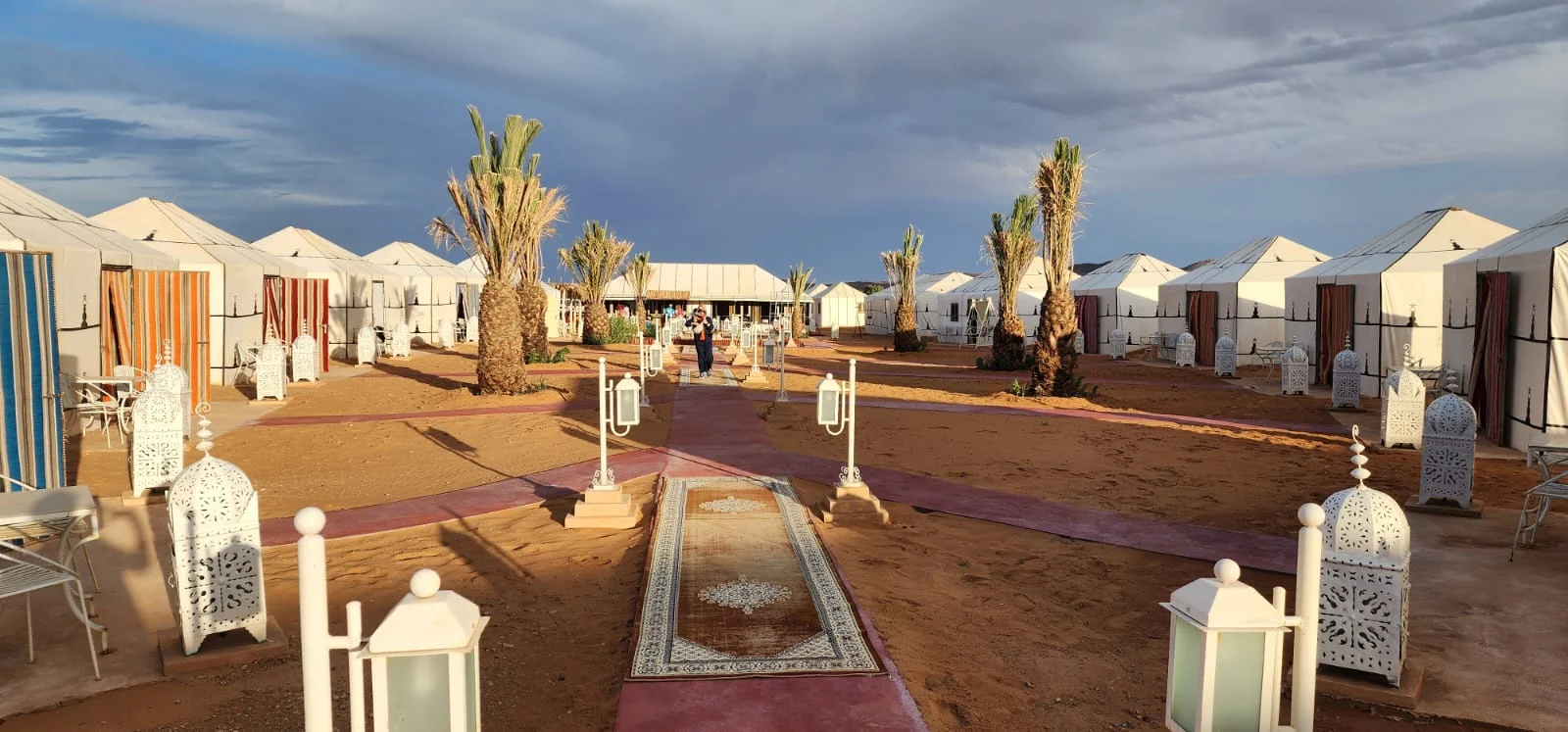
Beyond the iconic camel trek at sunset, you can try sandboarding down golden slopes or simply marvel at the shifting colors of the dunes from sunrise to sunset. For a deeper dive, our detailed guide on what to expect on a Sahara desert tour covers everything from packing lists to cultural etiquette.
The concept of desert camping has been transformed by luxury operators. Camps like Desert Luxury Camp at Erg Chebbi and Nick & Bobo’s at Erg Chigaga offer an “understated luxury” that complements the wild environment. Think spacious, en-suite tents with king-size beds and hand-woven rugs, gourmet meals under the stars, and guided activities—all while maintaining a strong ethos of sustainability, often using solar power and water-conservation systems.
Getting Lost in the Historic Medinas
The medina—the historic, walled heart of a Moroccan city—is a UNESCO-listed world of its own, a maze of alleyways pulsing with life, history, and artisan craft.
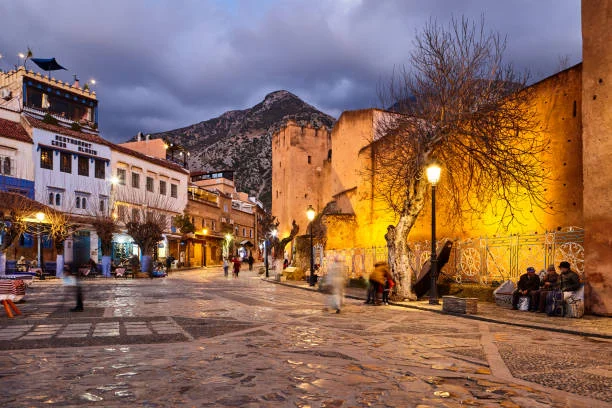
Things to do in Morocco’s Old Medinas: Guide to Morocco’s historical centers
Each medina has a unique character. Here are some highlights:
- Fez: Home to the world’s largest contiguous medina, Fes el-Bali. It’s a raw, immersive journey back in time. Don’t miss the Al Attarine Madrasa for its stunning mosaic work, the historic Chouara Tannery (be prepared for strong odors), and the University of Al Quaraouiyine, considered the oldest operating university in the world.
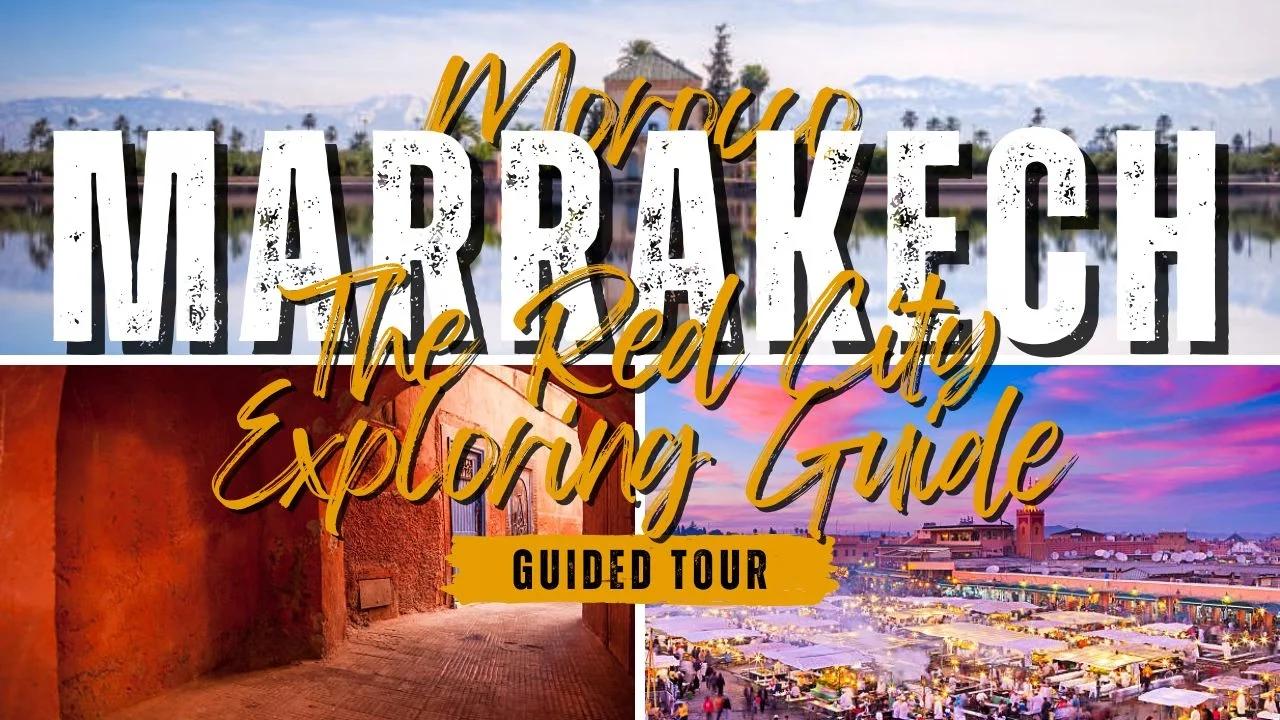
- Marrakech: The “Red City’s” medina is famous for the electrifying Jemaa el-Fnaa square, which transforms into a vast open-air theatre of storytellers, musicians, and food stalls at night. Explore the serene Bahia Palace and the impressive Koutoubia Mosque with its landmark minaret.
- Chefchaouen: The “Blue Pearl” is famous for its striking blue-washed medina nestled in the Rif Mountains, offering a uniquely photogenic and relaxed atmosphere.
- Essaouira: This windswept coastal medina, a UNESCO site, is defined by its 18th-century Vauban-style ramparts, fresh seafood grills at the port, and a vibrant arts scene.
Pro Tip: Hiring a licensed local guide for a few hours is one of the best investments you can make in a medina. They provide invaluable context, help you navigate the labyrinth, and facilitate respectful interactions with shopkeepers. To truly understand these fascinating districts, read our explainer on what a medina is and why it’s the soul of Morocco.
Adventures in the Atlas Mountains
For those seeking active adventure and breathtaking scenery, the Atlas Mountains provide a spectacular backdrop for trekking and cultural encounters.
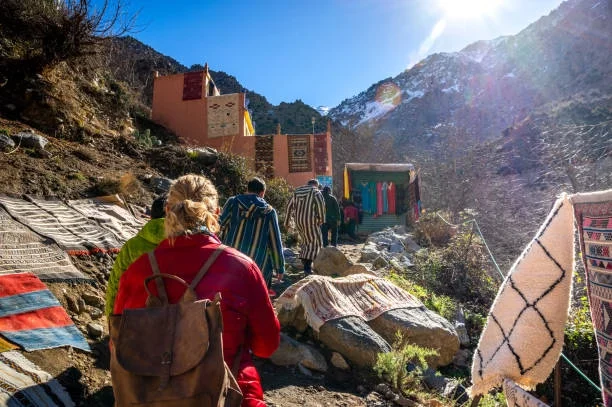
Trekking and Peak Ascents
The High Atlas range offers routes for all levels. Multi-day treks allow you to traverse remote valleys, stay in traditional Berber villages or comfortable mobile mountain camps, and experience legendary hospitality.
A premier adventure is the climb of Mount M’Goun, Morocco’s second-highest peak. This challenging but non-technical summit trek, often part of an 8-9 day itinerary, takes you through stunning gorges and past nomadic settlements, offering a profound sense of achievement. For those seeking the highest point, guided ascents of Mount Toubkal are also a major draw.
Cultural Immersion and Day Trips
Even if you’re not a hardcore trekker, the Atlas foothills are easily accessible from Marrakech. Popular day trips visit the Ourika Valley or the Imlil valley, where you can enjoy scenic hikes, visit waterfalls, and have mint tea with a local Berber family. The drive over the Tizi n’Tichka pass to the desert is an unforgettable journey through ever-changing mountain landscapes.
Deeper Cultural Immersions
To move beyond sightseeing, engage in activities that connect you with Morocco’s living traditions.
- Culinary Workshops: Participate in a Moroccan cooking class, often held in a local home or riad. Learn the secrets behind the perfect tagine, the delicate art of making couscous, and the balance of spices in a ras el hanout blend.
- Traditional Hammam: Experience a traditional Moroccan hammam. The public bathhouse is a social institution, but tourist-friendly spas offer a more private introduction to the cleansing ritual of steam, black soap exfoliation, and massage.
- Artisan Encounters: In the medina souks, observe master craftsmen at work—from zellij (mosaic tile) cutters and wood carvers to leather tanners and metalworkers. Purchasing directly from a workshop supports centuries-old crafts.
Coastal Escapes & Historical Sites
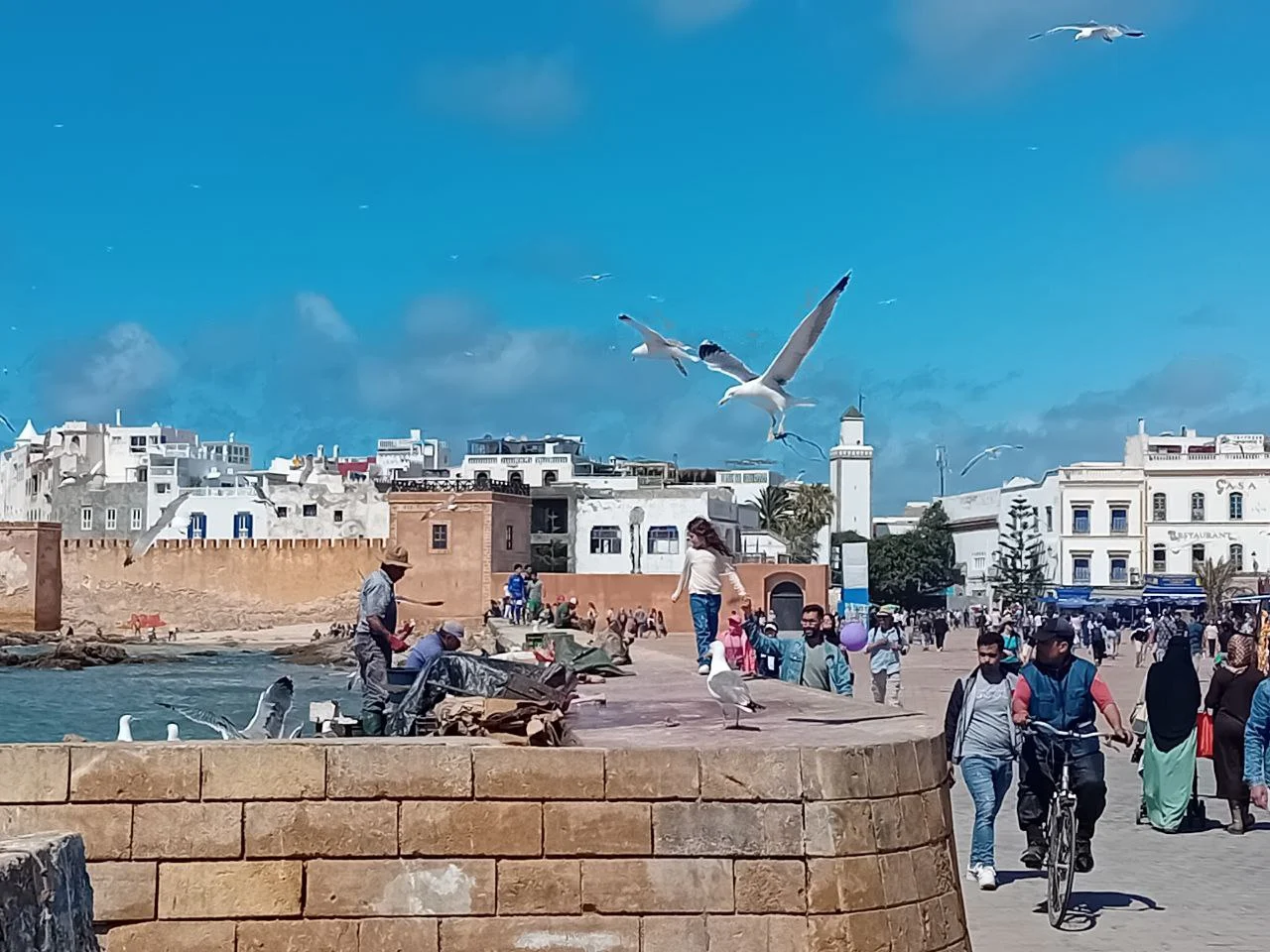
Morocco’s diversity extends beyond mountains and deserts to its Atlantic coast and ancient historical sites.
- Essaouira: This fortified port city is a haven for wind sports. Its consistent Atlantic winds make it a world-class destination for kitesurfing and windsurfing. The relaxed, artsy vibe is a perfect contrast to the intensity of Marrakech.
- Ait Benhaddou: This spectacular, fortified ksar (village) is a UNESCO World Heritage Site and a famous filming location. Its earthen clay buildings are a sublime example of Southern Moroccan architecture.
- Roman Ruins of Volubilis: Located near Meknes, these well-preserved ruins offer a glimpse into Morocco’s ancient Roman past, with remarkable mosaics still in situ.
Essential Travel Tips for 2026
Visa & Entry: U.S., Canadian, UK, and EU citizens do not need a visa for tourist stays of up to 90 days. Ensure your passport is valid for at least six months and has a blank page.
Money: The local currency is the Moroccan Dirham (MAD). ATMs are widely available in cities. Credit cards are accepted in larger establishments, but always carry some cash for markets and smaller vendors.
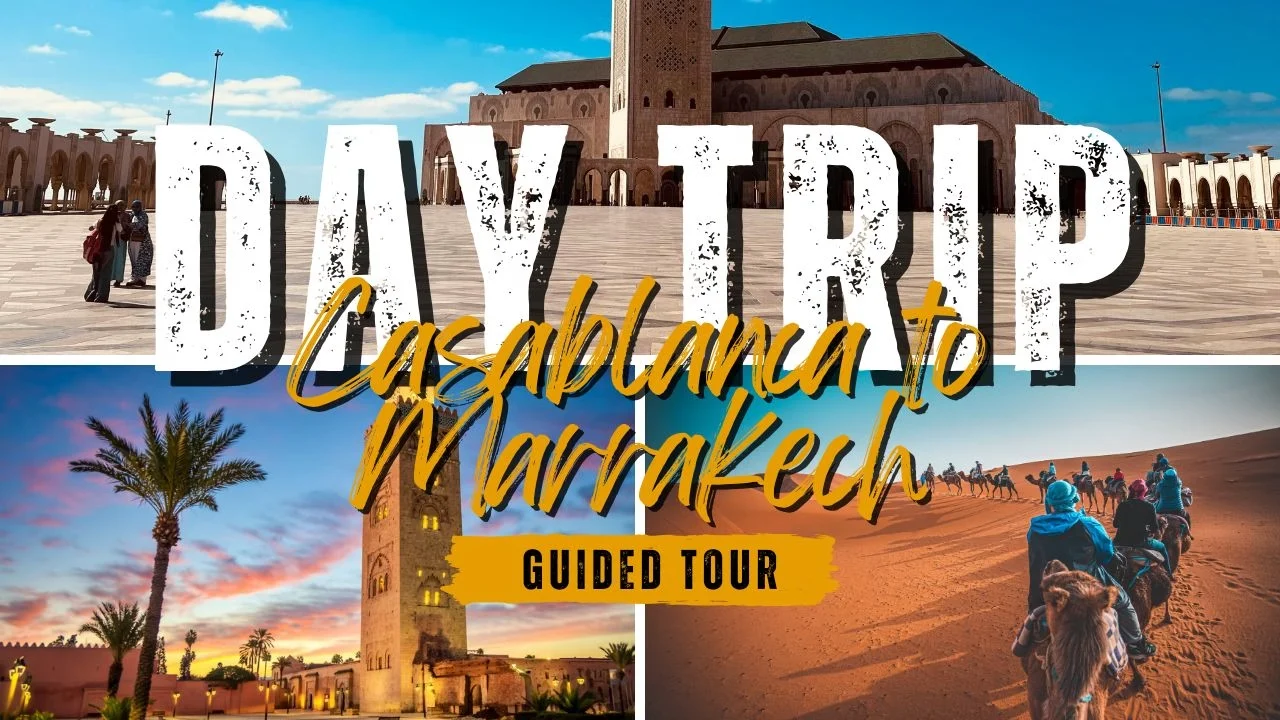
Getting Around: The train network (ONCF) is efficient for connecting major cities like Casablanca, Rabat, and Marrakech. For more flexibility, consider renting a car or hiring a private driver with a car for inter-city travel. Grands taxis (shared long-distance taxis) are a local way to travel between towns.
Connectivity: Purchasing a local SIM card from providers like Maroc Telecom, Orange, or Inwi upon arrival is inexpensive and offers excellent 4G coverage in most urban and many rural areas.
❓ Morocco Travel FAQ: Your Top Questions Answered
- Is Morocco safe for American tourists?
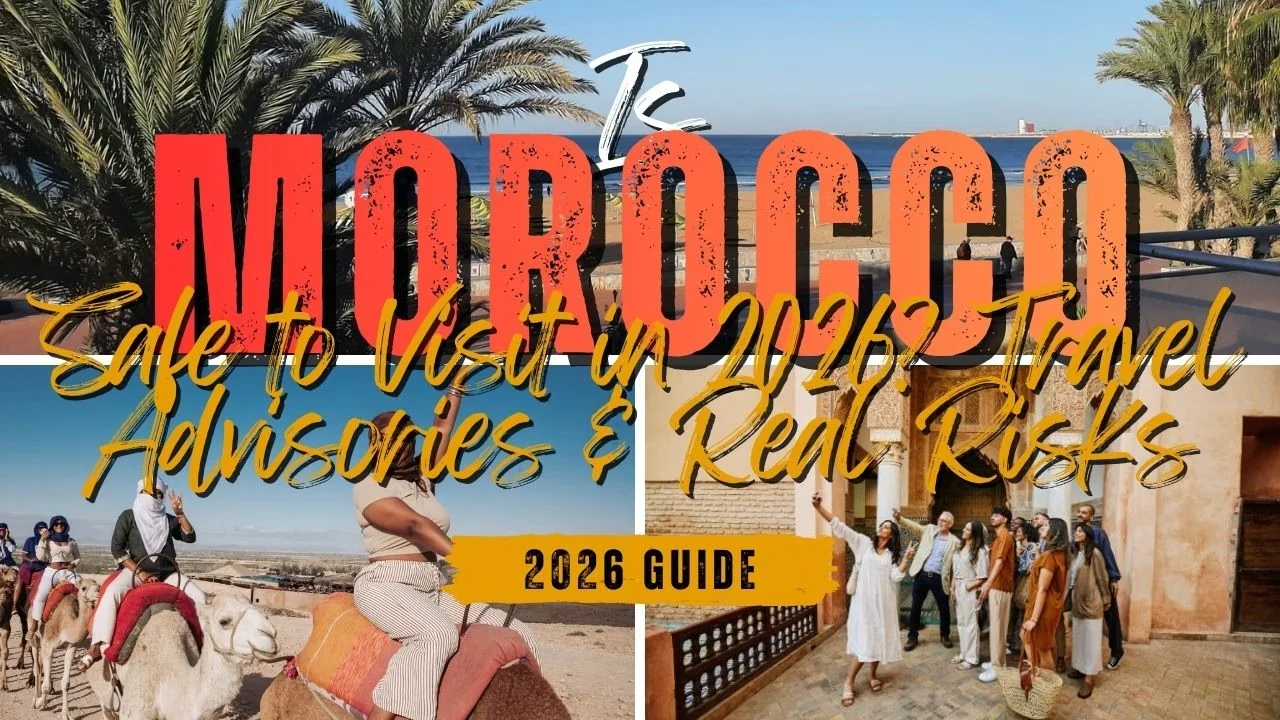
Morocco is generally very safe for tourists. The U.S. State Department advises travelers to “Exercise Increased Caution” (Level 2), which is common for many tourist destinations. Petty crime like pickpocketing can occur in crowded areas, so vigilance with belongings is key. For a detailed breakdown, see our dedicated guide on safety in Morocco for American travelers. - What should I wear in Morocco? How do I dress respectfully?
Morocco is a moderately conservative Muslim country. Dressing modestly is a sign of respect and will result in a more comfortable experience. For both men and women, this means covering shoulders and knees, especially in medinas, rural areas, and when visiting religious sites. Loose, breathable clothing is best. Women are not required to cover their heads. - Can you drink alcohol in Morocco?
Yes, alcohol is available but regulated. It is served in licensed hotels, bars, and many restaurants catering to tourists. It is not available in all local restaurants, and public drinking is frowned upon. Some luxury desert camps offer a limited selection. - What are some unspoken rules or etiquette tips?
Use your right hand for eating and greeting (the left is considered unclean). Always ask permission before photographing people. When haggling in souks, do so with a smile and good humor—it’s a social interaction. Avoid public displays of affection. - Is Morocco friendly to tourists?
Moroccans are famously hospitable. A polite greeting in Arabic (“As-salamu alaykum“) or French (“Bonjour“) goes a long way. While you may encounter persistent vendors in tourist areas, a firm but polite “Non, merci” is usually sufficient.
Embarking on a Moroccan adventure in 2026 means witnessing a country confidently stepping onto the global stage while retaining the timeless magic of its culture and landscapes. With thoughtful planning and an open mind, your journey will be filled with unforgettable moments.