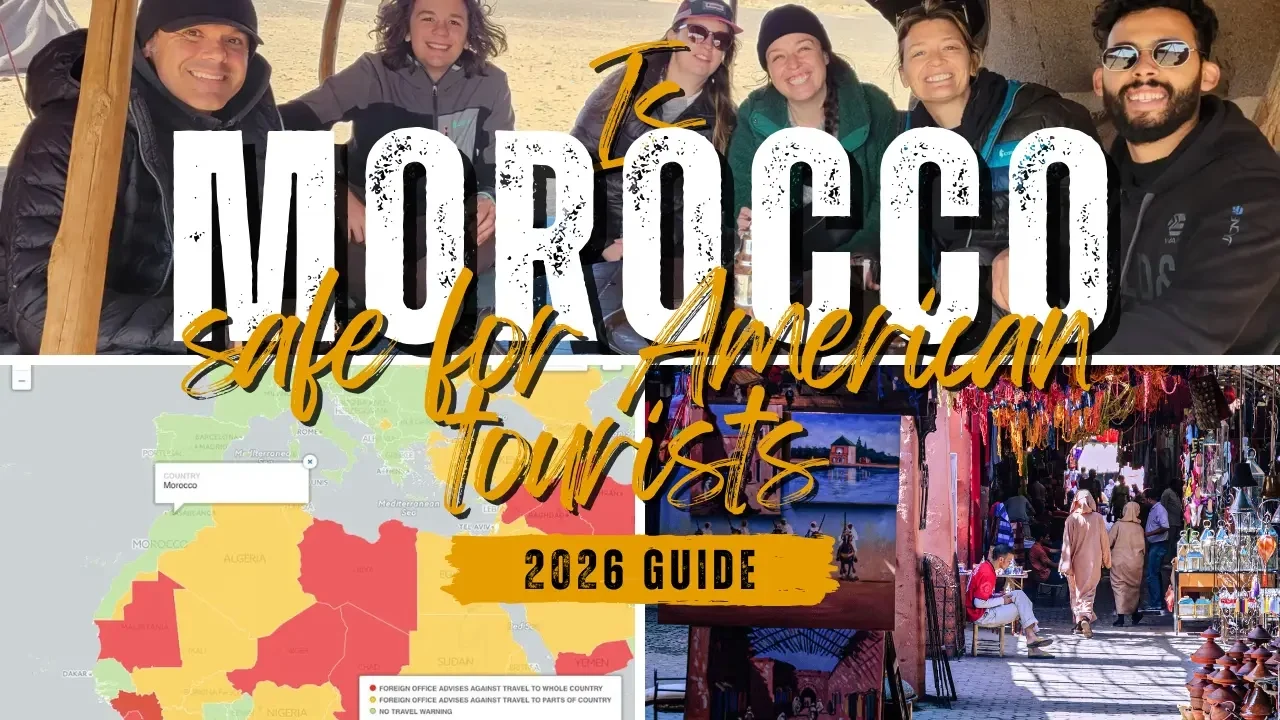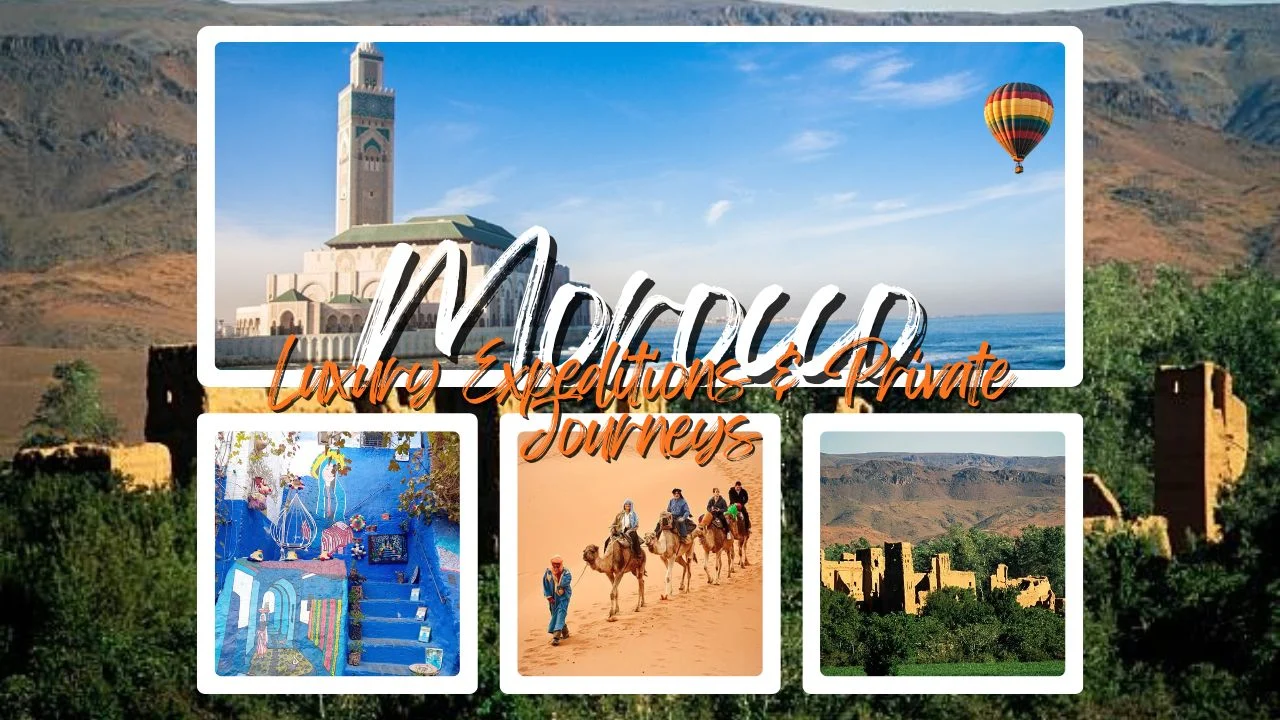
The Moment Morocco’s Trending Right Now (March 2026)
Something unusual is happening across Morocco’s internet searches.
Right now, in early March 2026, search interest has splintered into four distinct waves:
- Weather urgency (50%+ of all searches): Travelers frantically searching “snowfall Morocco provinces alert,” “Morocco weather provinces snow,” “Morocco snowfall forecast March”
- Riad curiosity (+600% surge): People asking “what is a riad in Morocco,” “riad vs hotel Morocco,” “best riads Marrakech”
- Surf adventure (+30-40% rise): “Surf camp Morocco,” “Morocco surf camp Taghazout,” “best surf camps Agadir”
- Practical travel prep (steady rise): “Morocco time zone now,” “dollar to dirham Morocco,” “Morocco country code,” “where is Morocco located”
This isn’t random. This is travelers making real-time decisions about visiting Morocco in 2026.
Let me break down what’s actually happening, what it means, and what you need to know right now if you’re planning a Morocco trip.
PART 1: SNOWFALL ALERTS IN MOROCCO (March 10-11, 2026)
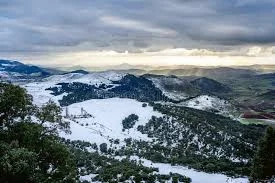
The Situation Right Now
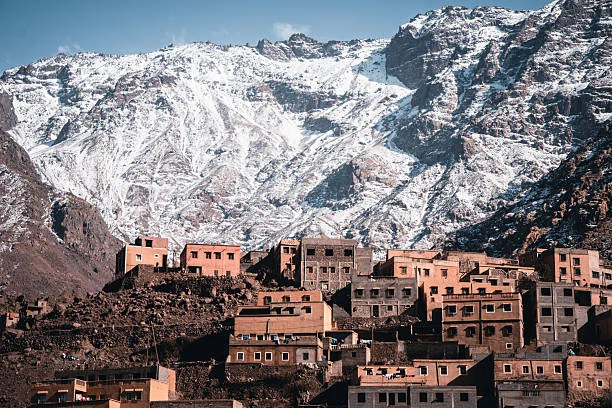
On March 10-11, 2026, Morocco’s meteorological authorities issued orange vigilance weather alerts for multiple provinces:
Affected Provinces:
- Fes-Meknes region (High Atlas foothills)
- Ifrane (Mountain town at 1,600m elevation)
- Midelt (Eastern High Atlas, 1,400m elevation)
- Ouarzazate (Sahara gateway, altitude variations)
Forecast Details:
- Expected snowfall: 25-35 cm (10-14 inches)
- Duration: March 10-11, 2026 (48-hour window)
- Temperature: Below freezing (0-5°C / 32-41°F)
- Wind: Moderate to strong gusts
- Impact level: Orange alert (significant disruption expected)
What This Means for Travelers
If you’re visiting these provinces now:
- ❌ High Atlas mountain passes may close temporarily
- ❌ Roads between Marrakech and Fes may face delays
- ❌ 3-Day Merzouga Desert Tour may require route adjustment
- ❌ Mountain trekking suspended during snowfall
- ✅ Coastal areas (Marrakech, Essaouira, Agadir) remain unaffected
- ✅ Sahara routes still viable (snow doesn’t reach Merzouga)
The honest truth: This isn’t apocalyptic. Morocco experiences winter snow every few years. Local infrastructure (guides, drivers, hotels) knows how to handle it. But it does mean:
- Plan flexibility into your trip
- Tell your guide about the alert when booking
- Expect possible route changes (for safety)
- Snow = stunning photography opportunity if you embrace it
Real-Time Weather Tracking
Where to check:
- Morocco Meteorological Authority (official): www.meteo.ma
- Google Weather: Search “Fes Morocco” or “High Atlas weather”
- Weather.com: Has Morocco forecasts updated hourly
- Local news: Marrakech and Fes local news report real-time conditions
Pro tip: By March 12, this alert will likely pass. Snow in Morocco is typically 24-48 hour events, not prolonged closures.
PART 2: WHAT’S A RIAD? Why Everyone’s Suddenly Searching This (+600% Surge)
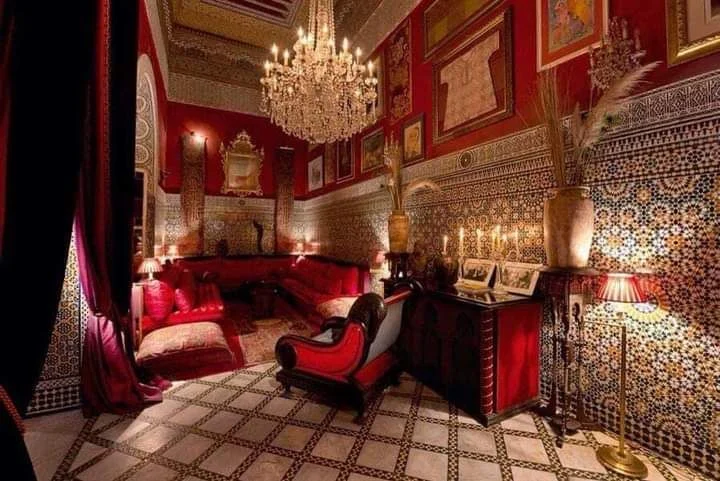
The Trending Question: “What Is A Riad In Morocco?”
This query surged +600% in recent weeks. Why?
Because luxury travel influencers have suddenly “discovered” riads. Instagram, TikTok, travel blogs—everyone’s posting photos of stunning courtyards with fountains, zellige (mosaic) tilework, and rooftop terraces overlooking Marrakech’s medina.
Travelers are asking: “Is this real? Can I actually stay there? How much does it cost?”
Short answer: Yes, it’s real. And it’s transforming Morocco tourism.
What Is A Riad? (The Full Explanation)
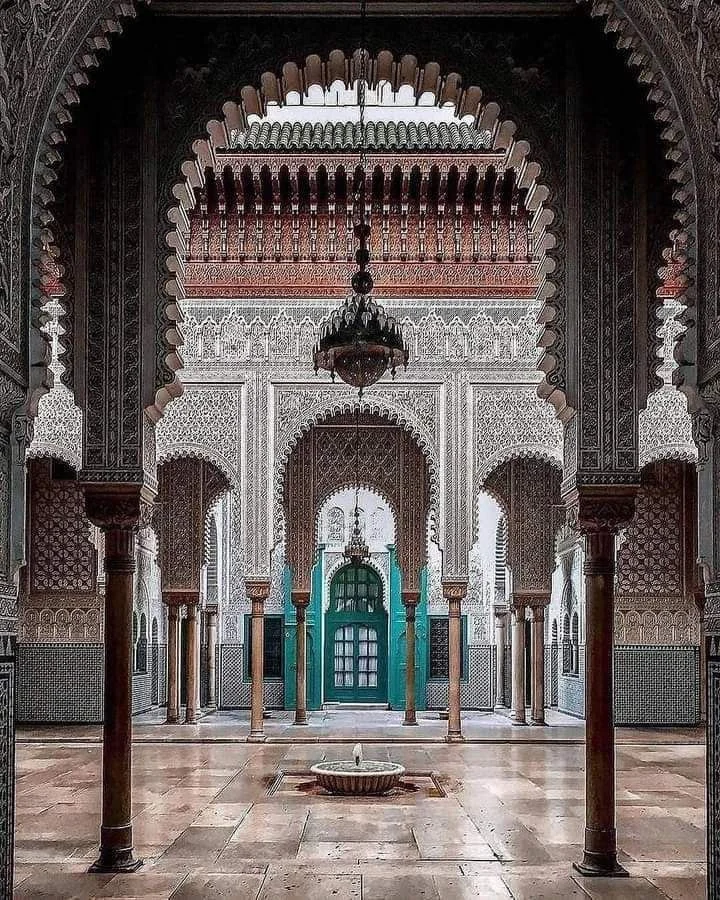
Definition: A riad is a traditional Moroccan house built around a central open courtyard.
Key features:
- Central courtyard (riad): Open-air garden with fountain, plants, shade
- Inward-facing design: Rooms face the courtyard, not the street (privacy)
- Upper floors: Galleries/balconies overlook the courtyard
- Architecture: Zellige tilework, carved plaster, cedar wood, arches
- Original purpose: Family homes for wealthy merchants (100-200 years old)
- Modern conversion: 80% of riads are now guesthouses/boutique hotels
Riad vs Hotel: The Critical Difference
| Feature | Riad | Hotel |
|---|---|---|
| Layout | Around courtyard (inward-facing) | Linear hallways |
| Atmosphere | Intimate, quiet, authentic | Professional, standardized |
| Size | 5-15 rooms max | 50-500+ rooms |
| Price | $50-250/night | $60-200/night |
| Guests | Mix of travelers + locals | Mostly international tourists |
| Experience | Culturally immersive | Tourist infrastructure |
| Breakfast | Often included (courtyard) | Usually separate |
| Staff | Owner often present | Corporate management |
| Character | Unique per riad | Chain-like uniformity |
The truth: A riad isn’t cheaper than a good hotel. But it feels different—more authentic, more personal, more Morocco.
Best Riads In Marrakech (Where The Trend Is Strongest)
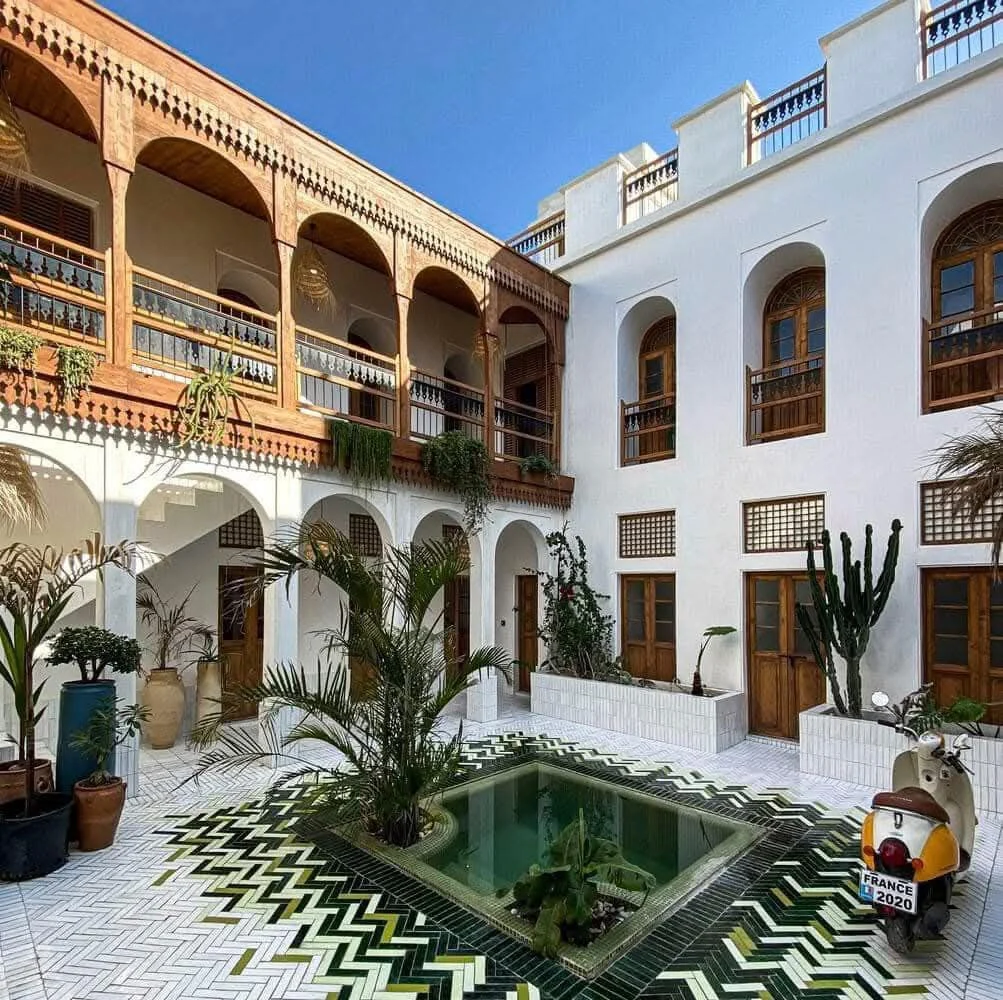
Top tier (luxury):
- Riad Dar Saba – Medina location, rooftop sunset views, $150-200/night
- Riad Peacock Pavilions – Private pool, courtyard gardens, $120-180/night
- Riad Kniza – Ottoman design, central medina, $100-150/night
Mid-range (authentic + affordable):
- Riad Karmela – Family-run, local breakfast, $60-90/night
- Riad Lyla – 18th-century building, personal touches, $70-110/night
Budget-friendly:
- Riad Azahra – Clean, friendly, $40-60/night
- Riad Ksar Youssef – Simple but authentic, $35-55/night
Pro tip: Book riads through Airbnb, Booking.com, or direct website (riads often have their own sites). Read reviews carefully—some riads are beautifully designed but poorly managed.
Why Riads Are Trending Right Now
- Influencer effect: Travel bloggers discovered them 6-12 months ago
- Authenticity desire: Post-pandemic travelers want “real” experiences
- Instagram aesthetics: Riads photograph beautifully (courtyards + zellige + rooftops)
- Reasonable pricing: Competitive with good hotels but “feels” luxury
- Morocco tourism boom: 17M+ visitors in 2025 seeking alternatives to standard hotels
PART 3: SURF CAMPS IN TAGHAZOUT (+30-40% Rise in Searches)
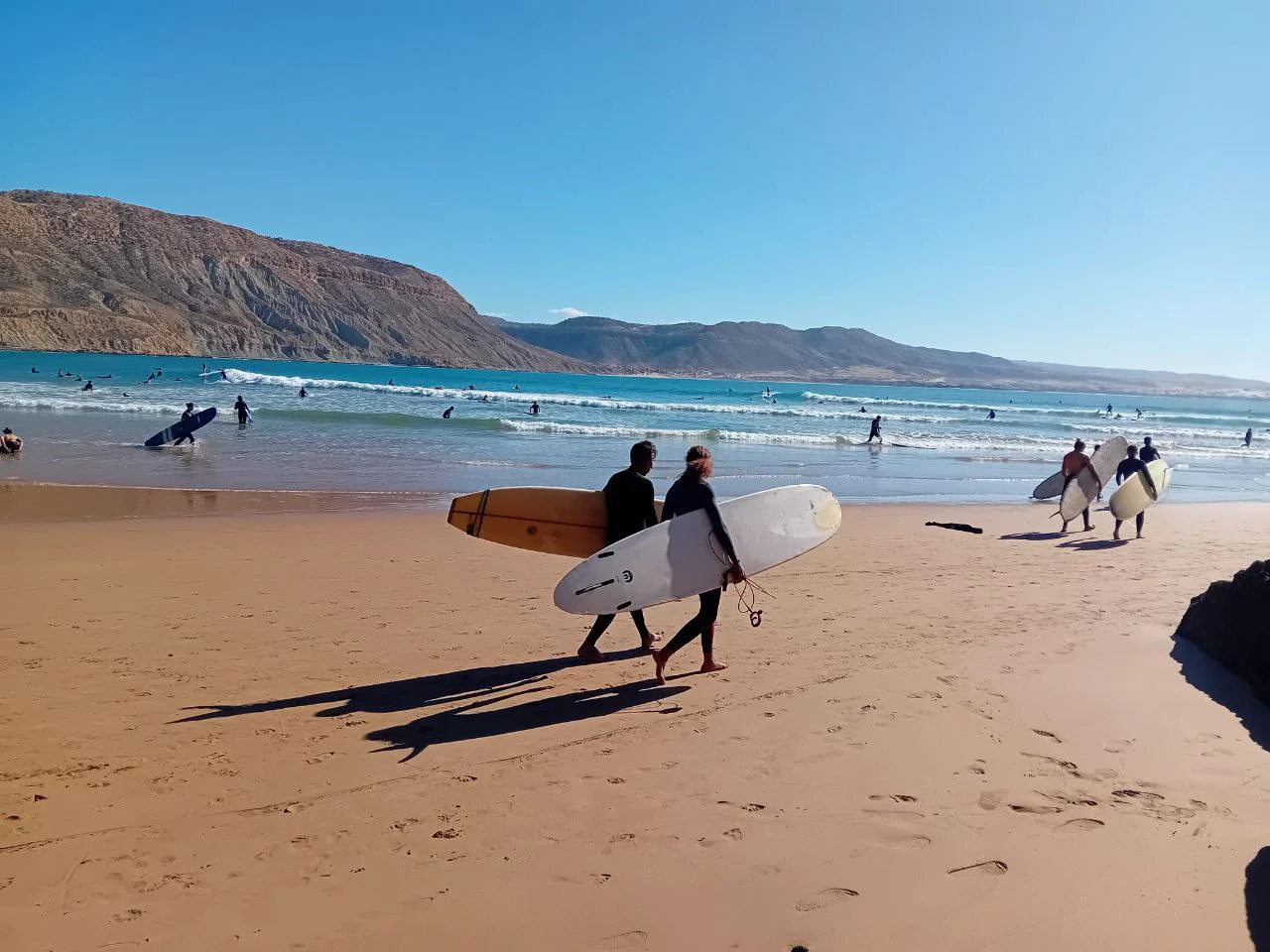
Why Taghazout Suddenly Matters
Search interest in “Morocco surf camp,” “surf camp Morocco Taghazout,” and “best surf camps Agadir” jumped +30-40% recently.
Why now?
It’s not random. Three factors converged:
- Winter swell season (Dec-March): Atlantic waves peak in Northern Morocco
- Post-spring-break timing: Students planning spring break trips
- Rising adventure tourism: Younger demographic seeking active holidays
What Makes Morocco A Surf Destination?
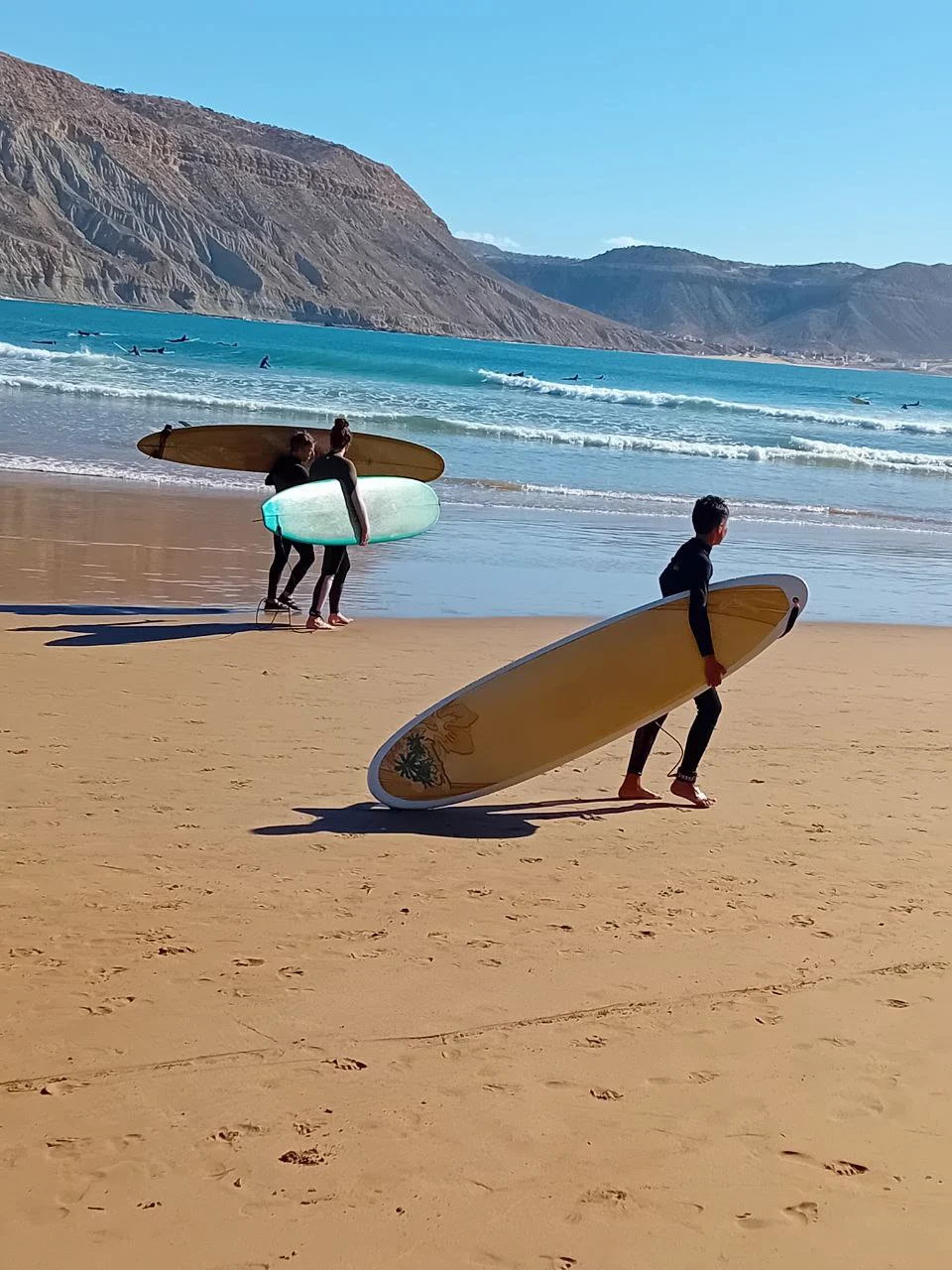
Geographic advantage:
- 3,446 km of Atlantic coastline
- Consistent winter swells (Atlantic storms)
- Perfect water temperature: 14-18°C (57-64°F) year-round
- Beginner-friendly breaks + expert waves
Top surf locations:
- Taghazout (Coastal Rif Mountains) – Most popular
- Agadir (South coast) – Year-round waves, warmer water
- Essaouira – Consistent wind swells
- Imsouane – Beach breaks for beginners
Best Surf Camps In Morocco
Taghazout (Most trending):
- Rasta House – Budget-friendly, 5-star reviews, community vibe
- Taghazout Surf Hostel – Central location, group lessons
- Azul Taghazout – Luxury option, private lessons
Agadir (Warmer water, more accessible):
- Agadir Surf Camp – Year-round, beginner-friendly
- Sunset Surf Camp Agadir – All-inclusive packages
- Paradise Surf Camp – Private lessons, accommodation
Structure of most camps:
- Accommodation (shared dorm or private room)
- Daily lessons (group or private)
- Meals included
- Community environment
- Cost: $50-150/day (all-inclusive)
Is Morocco Good For Beginner Surfers?
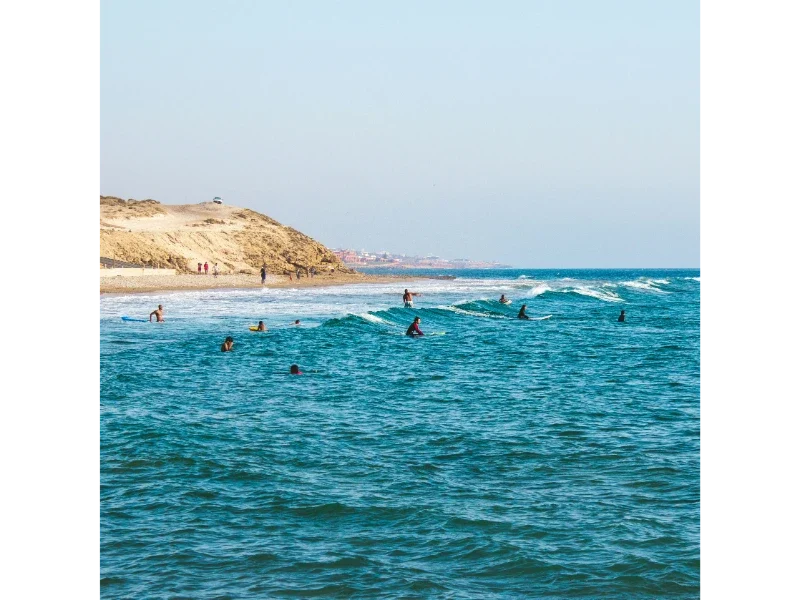
Yes, but with conditions:
✅ Beginner-friendly breaks (Taghazout’s Hash Point, Agadir beaches)
✅ Affordable lessons ($20-40/hour)
✅ Consistent waves (especially winter)
✅ Supportive community (locals + international surfers)
❌ Cold water (need 3-4mm wetsuit even in summer)
❌ Some heavy breaks (requires experience)
❌ Limited infrastructure (smaller camps = fewer amenities)
Pro tip: Taghazout’s Anchor Point breaks work perfectly for beginners (August-October also warm). If you’re visiting now (March), water is cold but waves are excellent.
PART 4: PRACTICAL TRAVEL PREP (The Steady Risers)
People are also asking basic questions, and we should answer them clearly:
Morocco Time Zone
Current time zone: WET (Western European Time) / GMT+0
Daylight saving? Morocco doesn’t observe DST officially, but may shift seasonally (watch official announcements).
For US travelers:
- Eastern Time (EST): Morocco is 5 hours ahead
- Pacific Time (PST): Morocco is 8 hours ahead
For UK travelers:
- GMT: Morocco is on same time (winter) or 1 hour behind (summer)
Practical: When it’s 12:00 noon in Marrakech, it’s 7:00 AM in New York.
Currency Conversion: Dollar to Dirham
Current rate (March 2026): Approximately 1 USD = 10 MAD (Morocco Dirham)
Exchange options (ranked by rate):
- ATMs in Morocco (best rate, 1-2% fee)
- Banks in Morocco (good rate, 3-4% fee)
- Currency exchange bureaus (fair rate, 4-5% fee)
- Your bank in home country (worst rate, 5-7% fee)
Pro strategy:
- Withdraw cash in Morocco (ATM gets best rate)
- Use credit cards for hotels/big purchases (travel-friendly rates)
- Avoid airport exchange booths (worst rates)
- Bring $100-200 in cash as backup
Example: $100 USD = approximately 1,000 MAD = enough for 2-3 days budget travel
Morocco Country Code & Location
Country code: +212 (phone calls/WhatsApp)
Location on map:
- Continent: Africa (North Africa specifically)
- Region: Maghreb (North African region)
- Neighbors: Algeria (east), Western Sahara (south), Atlantic Ocean (west), Mediterranean Sea (north)
- Capital: Rabat (though Marrakech/Fes are major tourism hubs)
For context:
- Distance from Spain: 14 km (Strait of Gibraltar—closer than some US states are to each other)
- Timezone from Europe: Same or 1 hour behind
- Driving from Europe: Possible (ferry from Spain to Tangier)
PART 5: COMPLETE TRAVEL PLANNING GUIDE (Using Trending Queries)
Now that we’ve covered what’s trending, let’s give you a complete travel planning checklist for Morocco in 2026:
Before You Go (Research Phase)
Weather check:
- Monitor Morocco weather for your travel dates
- March snow won’t affect coast (Marrakech, Essaouira, Agadir)
- April-May = best weather overall
Riad research:
- Decide: Riad vs hotel vs surf camp?
- Read 20+ reviews (not just top-rated)
- Check location (medina vs new town vs coast)
- Book 4-6 weeks ahead for peak season
Activity decision:
- Beach/surf: Choose Essaouira or Taghazout
- Mountain/hiking: Choose Atlas Mountains or Ourika Valley
- Desert: Choose 3-Day Merzouga or 5-Day Atlas & Sahara
- City culture: Choose Marrakech Walking Tour or Fes medina exploration
Arrival Day
Flights:
- Land in Marrakech (Menara Airport) or Casablanca (most international)
- Get cash at airport ATM (+10% fee but fastest)
Phone:
- Buy local SIM card (Maroc Telecom or Orange)
- WhatsApp ready for guide contact (+212 628-687188)
First night:
- Pre-booked riad or hotel (don’t book on arrival)
- Rest up (jet lag hits)
Week 1 Itinerary (If No Snow)
Day 1-2: Marrakech (riad stay, medina walking tour, souks, rooftop café)
Day 3-4: Ait Benhaddou day trip OR Agafay desert evening + mountain hike
Day 5-7: 3-Day Merzouga Desert tour (Sahara camp, camel trek, Berber village)
Total budget: $500-800 (all-inclusive tours + riad)
Seasonal Considerations
March (Now):
- ✅ Mild weather (15-20°C / 59-68°F)
- ✅ Fewer tourists than April-May
- ❌ Possible snow in mountains
- ❌ Some Atlantic wind
April-May:
- ✅ Perfect weather (18-25°C / 64-77°F)
- ✅ Wildflowers blooming
- ❌ Crowded (peak season)
- ❌ Higher prices
June-August:
- ✅ Best beach weather (warm water)
- ❌ Desert too hot (40°C+)
- ❌ Most crowded
- ❌ Highest prices
September-October:
- ✅ Warm but not hot
- ✅ Fewer tourists
- ✅ Lower prices
- ✅ Good surfing (swells return)
FAQ: Everything Trending Right Now (All User Questions Answered)
Q: Is Morocco safe right now (March 2026)? A: Yes. Snowfall alerts affect mountains only. Coastal cities (Marrakech, Essaouira, Agadir) are completely unaffected. General safety is 4.8★ rated among travelers. Read full safety guide.
Q: Will roads close due to snow alert March 10-11? A: Possibly. High Atlas passes (Tizi n’Tichka) may close 24-48 hours. Coastal routes unaffected. Tell your tour operator immediately. Most operators adjust routes by moving coast/desert trips forward, mountain trips delayed.
Q: How do I stay in a riad safely? A: Riads are safe like any hotel. Book through verified sites (Airbnb, Booking.com). Read recent reviews (last 3 months). Confirm owner/manager presence. Female solo travelers: hundreds stay in riads monthly without issue.
Q: What’s the difference between Taghazout and Agadir for surfing? A: Taghazout: Cooler, more swell, bohemian vibe, cheaper, crowded with surfers. Agadir: Warmer water, more accessible, more touristy infrastructure, year-round waves. Choose Taghazout if you’re committed to surfing; Agadir if you want beaches + options.
Q: Can I learn to surf in Morocco if I’m a complete beginner? A: Absolutely. Camps cater to beginners. Start April-May (warmer water). Budget $50-100/day for lessons + accommodation. Expect 5-7 days to catch your first wave.
Q: What currency should I bring? A: Bring USD or EUR cash (best exchange rates in Morocco ATMs). Credit cards work in cities. Don’t rely on cards in small towns. Budget: $40/day budget, $80-120/day mid-range, $150+/day luxury.
Q: Is it better to book tours in advance or arrange locally? A: Book 2-4 weeks ahead. Shows like Merzouga and Imperial Cities fill up. Local booking risks: availability, quality control, scams. Pre-booked = peace of mind + better rates.
Q: How much does a typical Morocco trip cost? A: Budget: $30-50/day (local travel, street food, hostels). Mid-range: $80-150/day (riads, restaurant meals, tours). Luxury: $200+/day (high-end riads, private guides, special activities). Total for 7 days: $600-1,500 per person.
Q: Is drinking water safe in Morocco? A: Tap water in major cities = safe. Bottled water in rural areas = recommended. Stomach issues from food change more than water. Stay hydrated.
Q: What about VISAs for US/UK/EU travelers? A: No VISA needed. 90-day tourist VISA on arrival (US, UK, EU, Canada, Australia). Passport must be valid 6+ months. You’ll fill out entry form on plane.
Q: Should I hire a guide or explore independently? A: Hire guide for: Sahara, mountains, cultural immersion (value = $30-50/day). Independent for: Marrakech medina, Essaouira, casual exploring. Best combo: Guided multi-day trips + self-guided city exploration.
Bottom Line: What To Do Right Now (March 2026)
If you’re traveling now:
- Check Morocco weather before booking mountain tours
- Coastal trips (Marrakech, Essaouira, Agadir) unaffected
- If mountain trip planned: Communicate with operator, expect flexibility
If you’re planning April+:
- This is perfect timing (weather ideal, avoiding summer crowds)
- Book tours 3-4 weeks ahead
- Choose: Riad in Marrakech, Surf camp in Taghazout, or Sahara adventure
- Budget: $800-1,500 for 7 days (all-inclusive)
If you’re curious about riads:
- They’re real, authentic, and worth the experience
- Book 6 weeks ahead for peak season
- Budget $80-150/night (competitive with good hotels)
- Mix riad nights with tour days for balance
Right now, today:
- Create your custom trip
- Or WhatsApp us with questions
- We handle weather alerts, adjustments, guide matching