Planning a trip to Morocco in 2025? It’s a fantastic place, full of amazing sights and sounds. But like any travel, a little preparation goes a long way. This morocco travel advisory is here to help you figure out the important stuff so you can focus on enjoying the adventure. We’ll cover safety basics, cultural tips, and practical advice to make your journey smooth and memorable. Think of this as your friendly guide from someone who’s been there and wants you to have the best experience possible.
Key Takeaways
- Morocco is generally safe for tourists, but be aware of petty crime like pickpocketing and scams, especially in busy areas. Keep your wits about you.
- Respect local customs and dress modestly, particularly when visiting religious sites or rural areas. Public displays of affection are best kept low-key.
- Stay healthy by drinking bottled water, using sunscreen, and getting any recommended vaccinations before you go. Medical care is better in cities than in the countryside.
- Make sure you have the right travel documents, including a passport valid for at least six months. Consider getting a local SIM card for easy communication and pack a universal power adapter.
- Be mindful of specific regions like the Western Sahara and border areas, which may require extra caution. Always have comprehensive travel insurance for peace of mind.
Understanding Morocco’s Safety Landscape
General Safety for Tourists
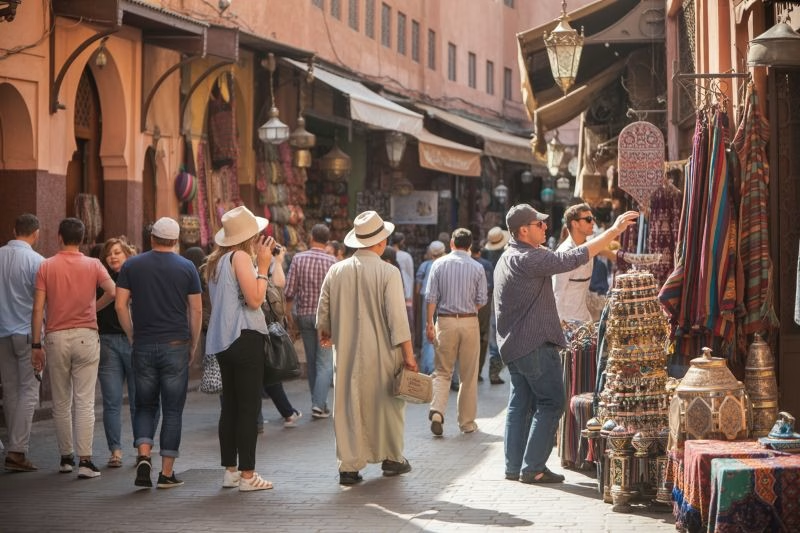
Morocco is generally a safe place for visitors, with millions traveling there each year without any major issues. The government puts a lot of effort into keeping tourist areas and big cities secure. You’ll often see a visible police presence, especially around hotels and popular spots. However, like many places, it’s wise to be aware of your surroundings. Most safety concerns revolve around petty crime and scams, rather than serious threats.
Assessing Risks: Petty Crime and Scams
In busy places like the medinas of Marrakech or Fez, or even in Casablanca, pickpocketing and bag snatching can happen. It’s usually opportunistic, so keeping your valuables secure is key. You might also run into people offering unofficial tours or vendors who try to charge way too much. Always agree on a price beforehand, especially for taxis if they don’t have a meter. It’s a good idea to learn a few basic phrases in Arabic or French to help you communicate and avoid misunderstandings.
- Common Scams to Watch For:
- Unofficial guides approaching you in tourist areas.
- Overpriced goods in souks – always haggle politely.
- Taxis that don’t use meters or take longer routes.
Navigating Cultural Norms and Etiquette
Morocco’s culture is a really interesting mix, drawing from Berber/Amazigh, Arab, and European influences. It’s a place where hospitality is a big deal, and you might even get invited for mint tea – a pretty common and welcome gesture. Just remember, showing respect goes a long way here.
Respecting Local Laws and Customs
It’s important to be aware that Morocco is a Muslim-majority country, and its social norms are generally conservative. While tourists are very welcome, it’s wise to show respect for local traditions. Things like drug possession are taken very seriously and carry strict penalties. Also, keep in mind that photographing police or military buildings is a no-go.
- Always be mindful of your surroundings and local customs.
- Be discreet when eating or drinking in public during Ramadan.
- Understand that public intoxication can lead to trouble.
While Morocco is generally welcoming to visitors, understanding and respecting local laws and customs is key to a smooth and enjoyable trip. This includes being aware of dress codes, especially in more conservative areas, and being mindful of public behavior.
Dress Code Considerations
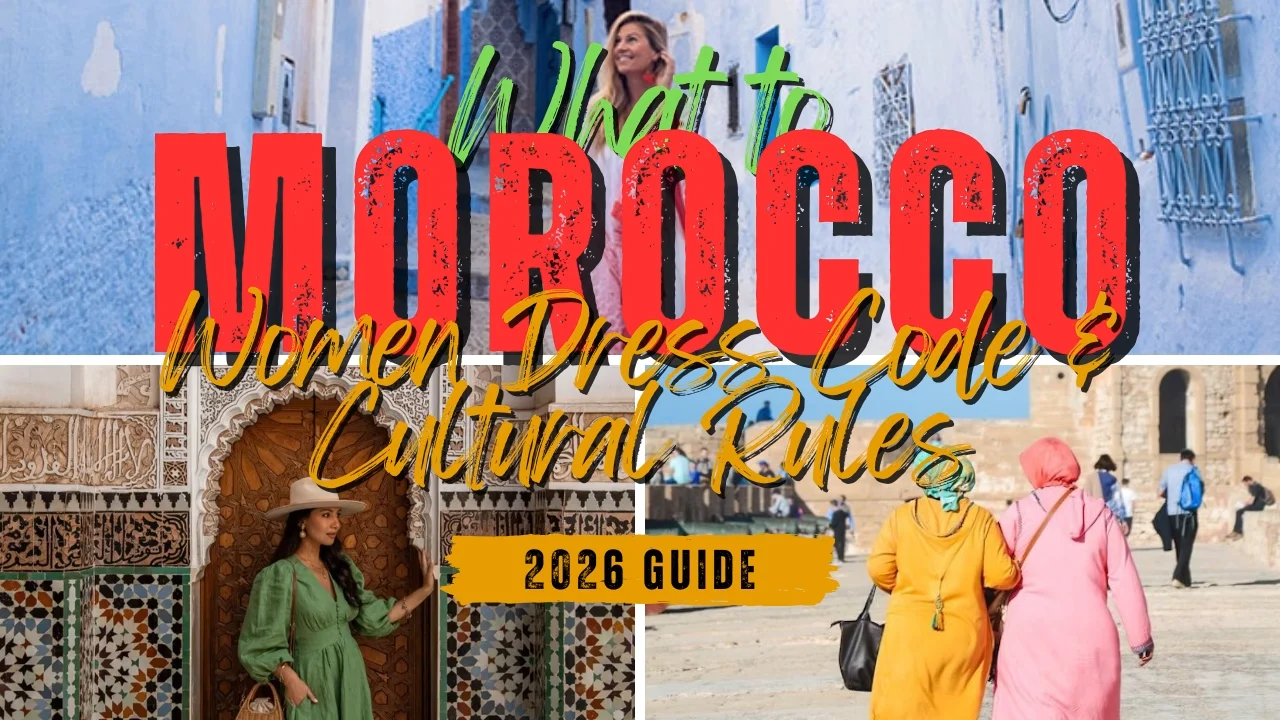
What you wear can make a difference, especially outside the main tourist hubs. In cities, you’ll see a mix of styles, but in rural areas or more traditional neighborhoods, dressing modestly is a good idea. It’s less about strict rules and more about showing respect for the local culture. Think comfortable, breathable fabrics that cover your shoulders and knees.
| Area Type | Recommended Attire |
|---|---|
| Major Cities | Casual, but avoid overly revealing clothing. |
| Rural Areas | Modest clothing covering shoulders and knees. |
| Religious Sites | Shoulders and knees covered; headscarf for women. |
Public Displays of Affection and Behavior
When it comes to showing affection in public, it’s best to keep it low-key. While it’s not usually an issue in busy tourist spots, it’s generally discouraged, particularly in more rural or conservative settings. Holding hands is usually fine, but anything more overt might draw unwanted attention. Just be aware of your surroundings and act in a way that respects local sensibilities.
Health and Well-being Abroad
When you’re planning your trip to Morocco, thinking about your health is a big part of making sure everything goes smoothly. It’s not usually a place where you’ll run into major health crises, but it’s always better to be prepared. Staying healthy means you can focus on enjoying the vibrant culture and stunning landscapes.
Essential Vaccinations and Medical Advice
Before you even pack your bags, it’s a good idea to chat with your doctor or a travel clinic. They can give you the rundown on any recommended vaccinations. Generally, making sure your routine shots are up-to-date is a good start. Things like measles, mumps, and rubella are standard. Depending on where you’re headed within Morocco and what you plan to do, they might suggest others, like Hepatitis A or Typhoid. It’s wise to get this sorted out a few weeks before your departure so your body has time to react. You can find more information on recommended vaccinations for travel to Morocco here.
Staying Hydrated and Sun Protection
Morocco can get seriously hot, especially during the summer months and in desert areas. You’ll want to keep a close eye on how much water you’re drinking. Dehydration can sneak up on you faster than you think. Always opt for bottled water – tap water isn’t recommended for drinking or even brushing your teeth. Carry a reusable water bottle and refill it from larger sealed containers whenever possible to cut down on plastic waste. When you’re out and about, especially in the sun, slather on that sunscreen with a high SPF. Wearing a hat and light, loose clothing will also make a big difference in keeping you comfortable and preventing sunburn. Think about sunglasses too; the glare can be intense.
Healthcare Access in Urban vs. Rural Areas
It’s important to know that healthcare facilities can differ quite a bit between the cities and more remote parts of Morocco. In major cities like Marrakech, Casablanca, and Rabat, you’ll find private clinics that offer a decent standard of care, often with English-speaking staff. However, these can be quite pricey, and they might not have all the advanced equipment you’d find in Western hospitals. In rural areas, the medical facilities are often much more basic, with older equipment and fewer English speakers. If you’re planning on spending time in remote desert or mountain regions, it’s especially important to have good travel insurance that covers medical evacuation, just in case. For minor issues, pharmacies are usually well-stocked, but for anything serious, you’ll want to know the location of the nearest reputable clinic or hospital. It’s a good idea to have the contact details for your country’s embassy in Rabat handy as well, as they can sometimes offer assistance in emergencies.
Always carry a small first-aid kit with essentials like pain relievers, bandages, antiseptic wipes, and any personal medications you might need. It’s better to have them and not need them, than to need them and not have them.
Practicalities for a Smooth Journey
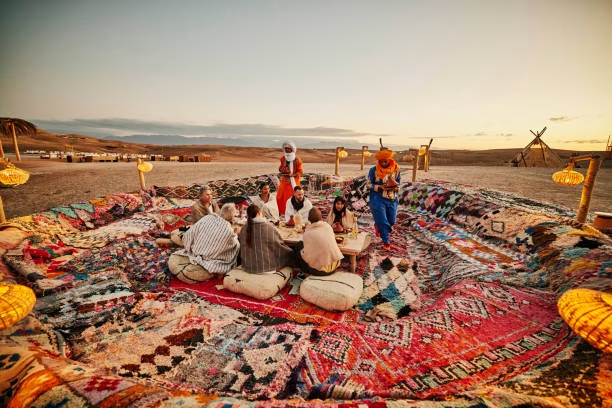
Getting around Morocco and staying connected is pretty straightforward once you know the ropes. It’s not like trying to decipher ancient hieroglyphs, but a little heads-up goes a long way.
Connectivity: SIM Cards and Wi-Fi
Want to share those amazing sunset pics or just check your messages? You’ll be happy to know that staying connected in Morocco is easier than you might think. You can grab a local SIM card at the airport or in most towns from providers like Maroc Telecom, Orange, or Inwi. Just remember to have your passport handy for registration. It’s a cheap way to get data and make local calls. Wi-Fi is pretty common in hotels, riads, and many cafes, though speeds can be a bit of a mixed bag. Don’t rely solely on Wi-Fi; having a local SIM is a good backup. It’s also a smart move to download offline maps before you head out, especially if you plan on exploring beyond the main cities.
Adapters and Power Considerations
Morocco uses a 220V electrical system, which is pretty standard in Europe. You’ll likely need a two-pin European adapter, often called a Type C or Type E plug. Most universal adapters will work just fine. It’s always a good idea to pack one, or even two, just in case your devices decide to be picky. A portable power bank is also a lifesaver for those long travel days or when you’re out exploring and can’t find a plug socket.
Emergency Contact Information
While Morocco is generally safe, it’s always wise to be prepared. Keep these numbers handy:
- Police: 19
- Emergency Medical Services: 15
- Fire Department: 15
It’s also a good idea to have the contact details for your country’s embassy or consulate in Morocco saved on your phone. And, of course, make sure your travel insurance provider’s emergency number is easily accessible.
Knowing these basic contacts can make a big difference if you find yourself in a tricky situation. It’s about peace of mind, really, so you can focus on enjoying the incredible sights and sounds of Morocco without unnecessary worry.
Responsible Travel in Morocco
Travelling responsibly in Morocco means leaving a positive footprint – or none at all in those delicate desert dunes. It’s about being mindful of the environment and the people you meet. Small actions can make a big difference in preserving this beautiful land for future visitors and for the locals who call it home.
Minimizing Environmental Impact
Morocco’s natural beauty is stunning, from the Atlas Mountains to the vast Sahara. Protecting these landscapes is key. When exploring, especially in sensitive areas like desert habitats, stick to marked paths. This helps prevent erosion and protects fragile ecosystems. Think about carrying a reusable water bottle and refilling it from larger containers whenever possible. This cuts down on single-use plastic, which can be a real problem in remote areas.
- Carry a reusable water bottle.
- Stick to marked trails.
- Dispose of waste properly.
Supporting Local Communities
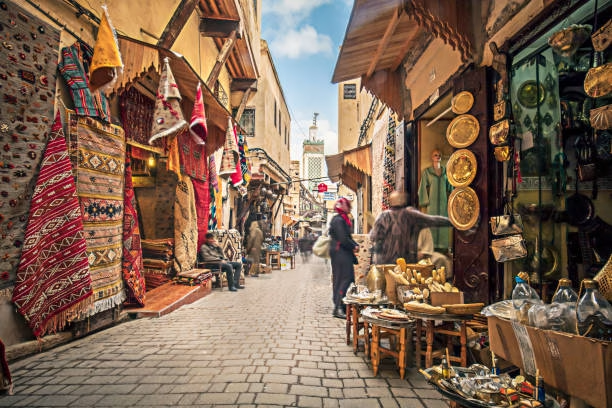
When you shop, try to buy directly from local artisans and cooperatives. This way, your money goes straight to the people making the goods, not just a middleman. It’s a great way to get unique souvenirs and support the local economy. Always ask permission before taking photos of people, especially if they are working or selling in the markets. Respecting their privacy is important.
Paying a fair price for goods and services directly benefits the artisans and their families, helping to sustain traditional crafts and livelihoods.
Cultural Sensitivity During Ramadan
Ramadan is a special time in Morocco, observed by Muslims worldwide. During this month, people fast from sunrise to sunset. As a visitor, it’s important to be aware and respectful. While many restaurants and cafes in tourist areas will remain open, you might find fewer options during fasting hours. It’s polite to avoid eating, drinking, or smoking in public during fasting times, especially in more conservative areas. Showing consideration goes a long way in demonstrating respect for the local culture.
Areas Requiring Extra Caution
While Morocco is generally a safe place for tourists, there are a few spots and situations where you’ll want to be extra aware. It’s not about being scared, but more about being prepared and informed so you can enjoy your trip without any unexpected hiccups.
Understanding the Western Sahara Region
This is probably the most important area to be mindful of. The Western Sahara is a territory in the southern part of Morocco with a complicated history. There was a conflict here in the past, and unfortunately, unexploded mines are still a concern in some parts of the region. It’s not the same as the vast Sahara Desert you might picture for a camel trek. If you absolutely must travel through this area, stick to the main roads, especially the highway connecting Dakhla to the Mauritanian border. It’s best to avoid venturing off the beaten path here unless you’re with someone who knows the area extremely well. Reports of occasional unrest related to sporting or political events have also surfaced in cities like Laayoune and Dakhla.
Potential Hazards in Border Areas
Morocco shares borders with a couple of countries, and like many border regions worldwide, these areas can sometimes present different challenges. While not a major concern for most tourists sticking to popular routes, it’s wise to be aware of your surroundings if your travels take you near these zones. This includes the border with Algeria, which is generally closed, and areas near the Mauritanian border, which can include parts of the Western Sahara mentioned above. Generally, staying in well-trafficked tourist areas means you won’t encounter issues, but it’s good to keep in mind.
Navigating Political and Sporting Events
Morocco is a country with passionate people, and like anywhere, large gatherings for political rallies or major sporting events can sometimes draw crowds that might become boisterous. While these events are usually peaceful, there’s always a small chance that things could get a bit overwhelming. If you happen to be in a city during a significant event, it’s a good idea to be aware of your surroundings. Large crowds can sometimes attract pickpockets, and it’s wise to keep your valuables secure. If you see a large gathering forming, it might be best to observe from a distance or perhaps plan your activities for another time if you prefer a quieter experience.
It’s always a good idea to check local news or ask your accommodation if there are any major events happening during your stay. This simple step can help you avoid unexpected crowds or potential disruptions, allowing you to adjust your plans if needed.
Essential Travel Documentation and Insurance
Alright, let’s talk about the nitty-gritty of getting ready for Morocco – the paperwork and making sure you’re covered. It might not be the most exciting part of planning, but trust me, it’s super important.
Visa Requirements and Passport Validity
First things first, your passport. Make sure it’s got at least six months of validity left from the date you plan to leave Morocco. Seriously, don’t let this slip; some countries won’t even let you board a plane if your passport is close to expiring. As for visas, many nationalities can enter Morocco for tourism for up to 90 days without a visa. But, and this is a big but, you absolutely need to check the specific requirements for your country well in advance. Things can change, and you don’t want to be caught off guard at the airport. A quick search on your government’s foreign travel advice website is usually the best place to start.
Declaring Currency and Restricted Items
When you arrive, you’ll need to declare if you’re carrying a significant amount of cash. Generally, if you have over 10,000 Moroccan Dirhams (MAD) or its equivalent in foreign currency, you have to declare it. This is to prevent money laundering, and it’s pretty standard practice in many countries. Also, be aware of what you can and can’t bring in. Things like certain medications might need a prescription, and obviously, illegal substances are a big no-no. It’s always a good idea to check the official Moroccan customs website for the most up-to-date list of restricted items before you pack.
Importance of Comprehensive Travel Insurance
This is non-negotiable, folks. Get travel insurance. I can’t stress this enough. Morocco is generally safe, but things happen. You could get sick, have an accident, or even have your luggage lost or stolen. Medical care in Morocco, especially private facilities, can get pricey if you’re not covered. Your insurance should ideally cover:
- Medical emergencies and evacuation
- Trip cancellations or interruptions
- Lost or stolen baggage and personal items
- Activities you plan to do, like hiking or desert excursions (some policies exclude these, so double-check!)
Don’t just grab the cheapest policy either. Read the fine print. Make sure it fits your travel plans and covers everything you might need. Having that peace of mind knowing you’re protected is worth every penny.
Wrapping Up Your Moroccan Adventure
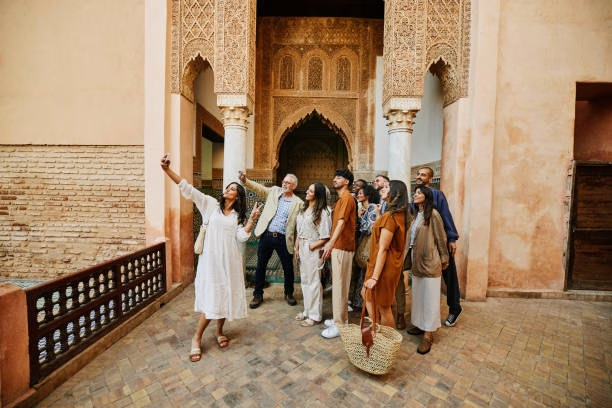
So, there you have it. Morocco is a place that really stays with you, full of amazing sights and sounds. While it’s good to be aware of your surroundings, like anywhere else, with a little common sense, you’ll find it’s a welcoming country. We’ve covered a lot, from staying safe to getting around and even a few handy phrases. Hopefully, this guide has given you the confidence to plan your trip and make some unforgettable memories. Get out there and explore – Morocco is waiting!
Frequently Asked Questions
Is Morocco generally a safe place to visit?
Yes, Morocco is considered a safe country for tourists. Millions of people visit every year without any major issues. Most of the time, you just need to be aware of your surroundings, especially in busy places, to avoid small problems like pickpocketing or common tourist scams. Just use common sense, like you would anywhere else, and you’ll likely have a wonderful trip.
What kind of safety risks should I be aware of?
The main risks are usually minor. You might encounter petty theft, like someone trying to pick your pocket in crowded markets, or common scams aimed at tourists. It’s very rare for tourists to face serious harm or assault. Just be mindful of your belongings and don’t fall for overly tempting offers that seem too good to be true.
Are there any specific areas in Morocco that are less safe?
While most of Morocco is safe, it’s wise to be extra careful in the Western Sahara region, especially near the borders with Algeria and Mauritania. This area has a history of conflict, and there might still be unexploded mines. It’s best to avoid this region unless you’re with someone very familiar with the area or sticking strictly to main roads.
What should I know about health and medical care in Morocco?
It’s a good idea to check with your doctor about recommended vaccinations before you go. In the cities, medical care is quite modern. However, in more rural areas, it might be harder to find advanced medical help. Always drink bottled water to stay safe from stomach issues, and protect yourself from the strong sun by using sunscreen and staying hydrated.
How can I stay connected and what do I need for electricity?
Staying connected is pretty easy! You can buy a local SIM card at the airport or in town for affordable data and calls. Wi-Fi is also common in hotels and cafes, though the speed can vary. For electricity, Morocco uses 220V, so you’ll need a European-style plug adapter (usually two round pins).
What are some important cultural rules to follow?
Morocco is a Muslim country, so it’s important to be respectful. Dress modestly, especially when visiting religious sites or smaller towns, meaning cover your shoulders and knees. Public displays of affection are generally frowned upon. During the holy month of Ramadan, be discreet if you need to eat or drink in public during fasting hours.