Morocco is a land of sensory overload in the best possible way. From the labyrinthine alleys of the Fes medina to the silent, shifting sands of the Sahara, it offers an experience that feels both ancient and vibrantly alive. In 2024, Morocco shattered records by welcoming over 17.4 million visitors, proving that its allure as a premier global destination is stronger than ever.
As you plan your journey for 2026, the landscape of Morocco tourism has evolved. Travel requirements have been streamlined, luxury “glamping” in the desert has reached new heights of sophistication, and the focus has shifted toward sustainable, locally-led cultural immersion. Whether you are a US citizen looking for the latest entry rules or a solo traveler seeking the safest desert trek, this comprehensive guide provides everything you need to navigate the Kingdom of Light.
Morocco Travel Requirements for US Citizens (2026 Update)
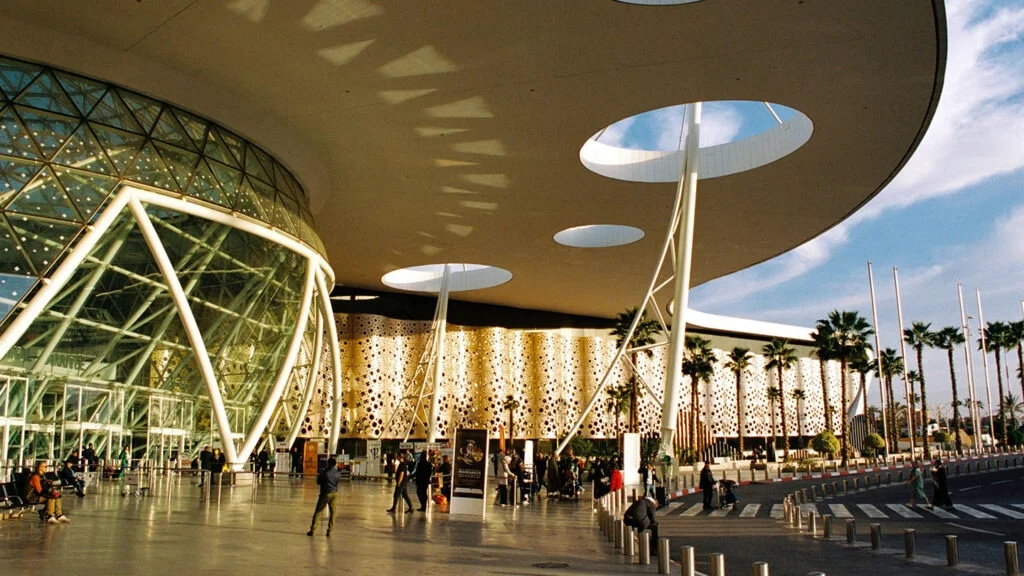
Traveling to Morocco from the United States is remarkably straightforward, but there are a few critical logistics to handle before you board your flight from New York to Marrakech.
- Visa Rules: US citizens do not require a tourist visa for stays under 90 days. You simply need a valid passport.
- Passport Validity: Your passport must be valid for at least six months beyond your date of entry. Ensure you have at least one completely blank page for the entry stamp.
- Currency Regulations: You can enter with up to 100,000 Moroccan Dirhams (MAD) or the equivalent of $10,000 USD. However, it is strictly prohibited to export Moroccan Dirhams from the country. Exchange your remaining cash back to USD or EUR at the airport before you depart.
- Health and Safety: While no specific vaccinations are mandatory, being up to date on routine shots is recommended. Tap water is generally not potable; stick to bottled water, even for brushing teeth in rural areas.
Best Time to Visit Morocco: Weather and Seasonal Secrets
Choosing the right time to visit is the difference between a pleasant stroll through a garden and an exhausting battle with the elements.
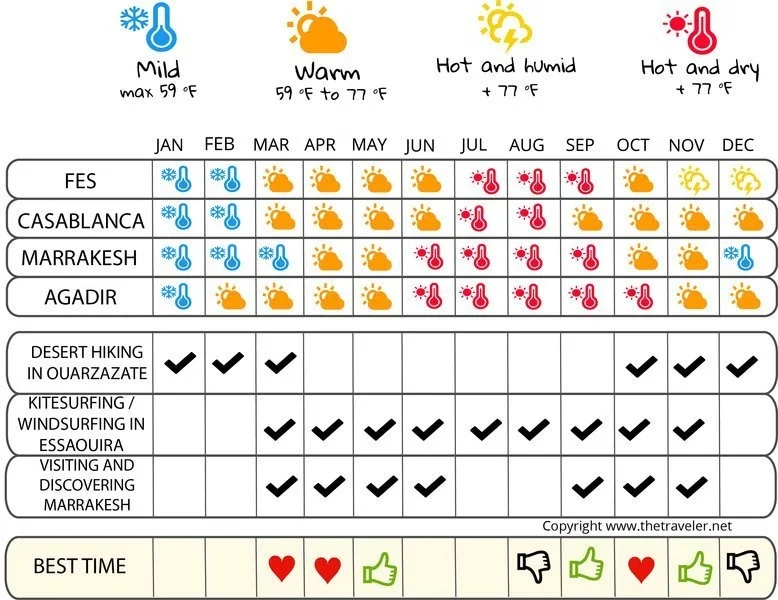
- Spring (March to May): Widely considered the best time to visit Morocco. The landscape is lush and green, the Atlas Mountains are beautiful for hiking, and the temperatures are mild (18°C to 25°C).
- Autumn (September to November): Another “Goldilocks” season. The summer heat has broken, making desert tours much more comfortable.
- Winter (December to February): Ideal for exploring Marrakech and the south without the crowds. However, be warned: the Sahara and the Atlas Mountains get surprisingly cold at night, with temperatures often dropping to near freezing.
- Summer (June to August): Coastal cities like Essaouira and Tangier remain pleasant due to sea breezes, but the interior (Marrakech, Fes, and the Desert) can see temperatures soar above 40°C. 👉see our detailed guide on: Morocco: Weather and Seasonal Secrets.
Best Tour Operators for Morocco Desert Tours from the US
For US travelers, booking through a reputable operator ensures a level of safety and logistical ease that is hard to replicate on your own.
GoMoroccoTour remains a top-rated choice for Americans due to their commitment to small-group sizes and local leaders. Their “Best of Morocco” and “Sahara Desert from Marrakech” packages are legendary for balancing adventure with comfort.
Top-Rated Agencies for Cultural and Desert Tours:
- GoMoroccoTour: Best for sustainable travel and small groups.
- G Adventures: Excellent for younger travelers and those seeking active itineraries.
- Sun Trails: A premier luxury agency specializing in high-end, custom Moroccan experiences.
- Roaming Camels Morocco: Highly recommended for those wanting deep cultural immersion and “off-the-beaten-path” desert routes.
Pro Tip: When choosing an operator, ensure they use licensed national guides. In Morocco, “faux guides” (unlicensed individuals) are common in tourist areas. A licensed guide not only provides better historical context but also protects you from aggressive sales tactics in the souks.
The Ultimate 7-Day Morocco Itinerary: The “Imperial & Sands” Loop
If you only have one week, this itinerary maximizes your time by hitting the most iconic locations without feeling like you’re living in a van.
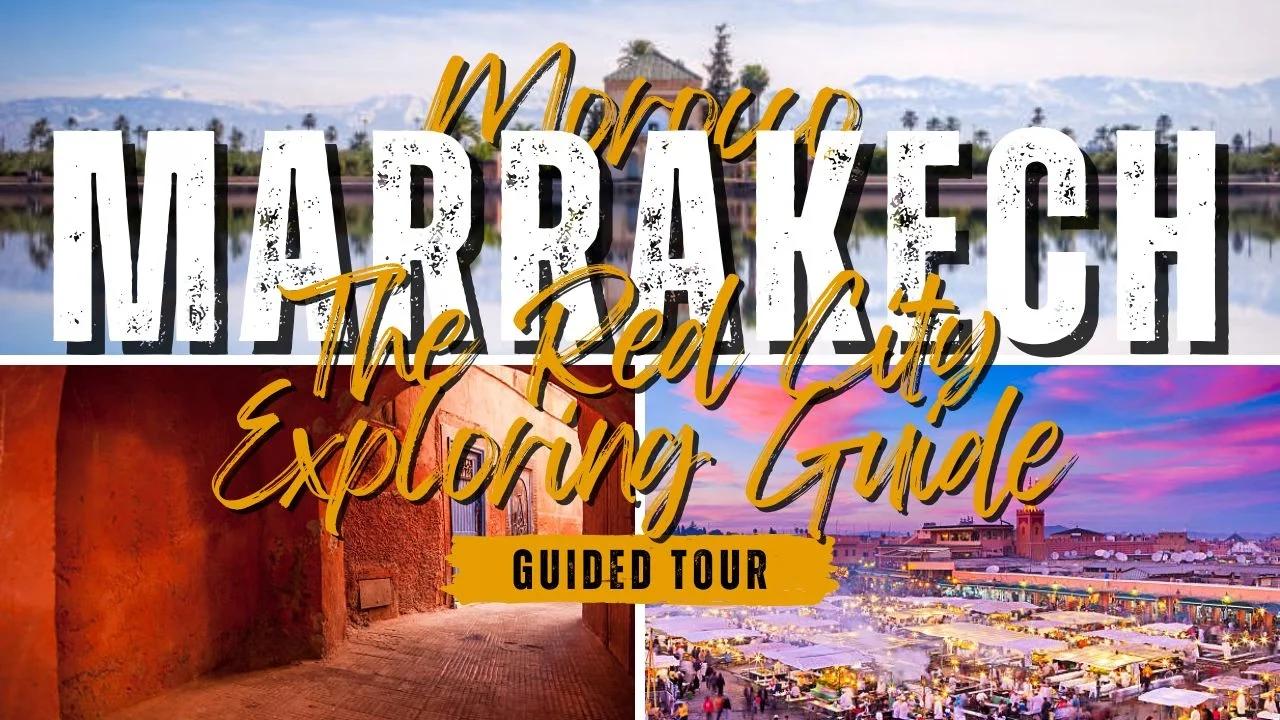
- Day 1-2: Marrakech (The Red City). Start with a stay in a luxury riad. Visit the Bahia Palace, the Saadian Tombs, and spend your evening at Jemaa el-Fnaa.
- Day 3: Crossing the High Atlas. Drive through the Tizi n’Tichka pass toward Ait Benhaddou, the UNESCO World Heritage mud-brick city seen in Gladiator and Game of Thrones.
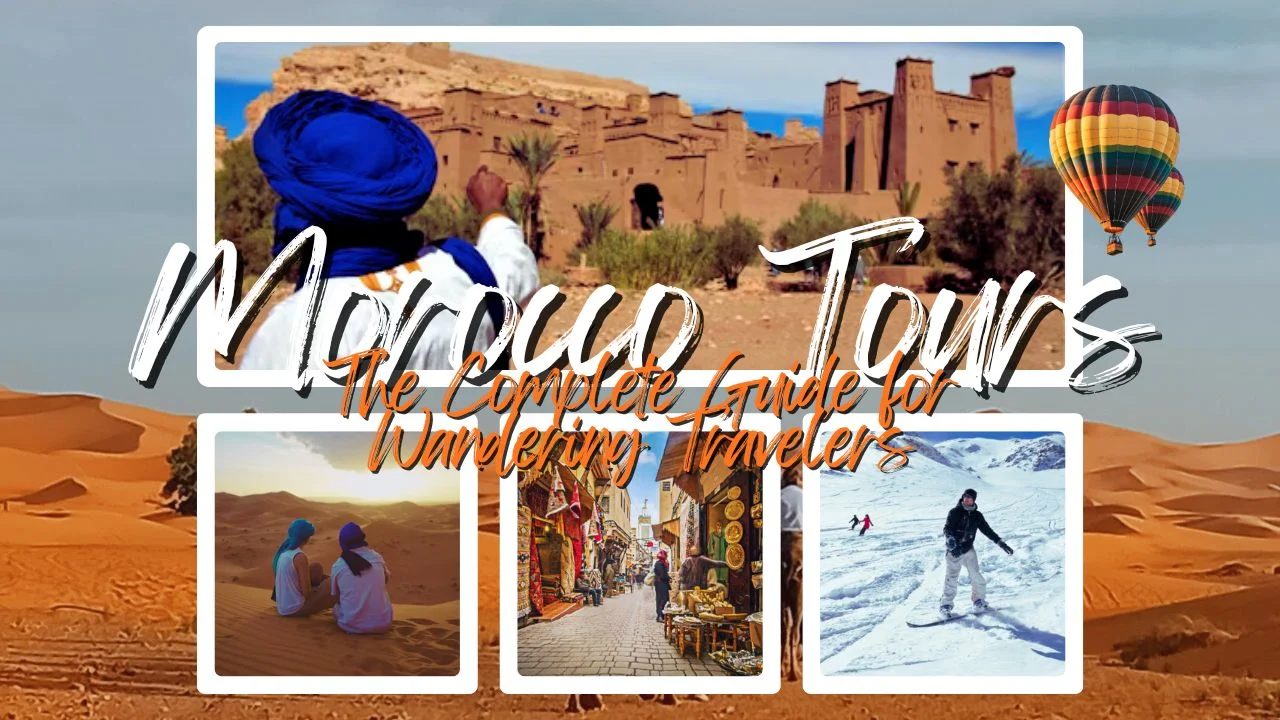
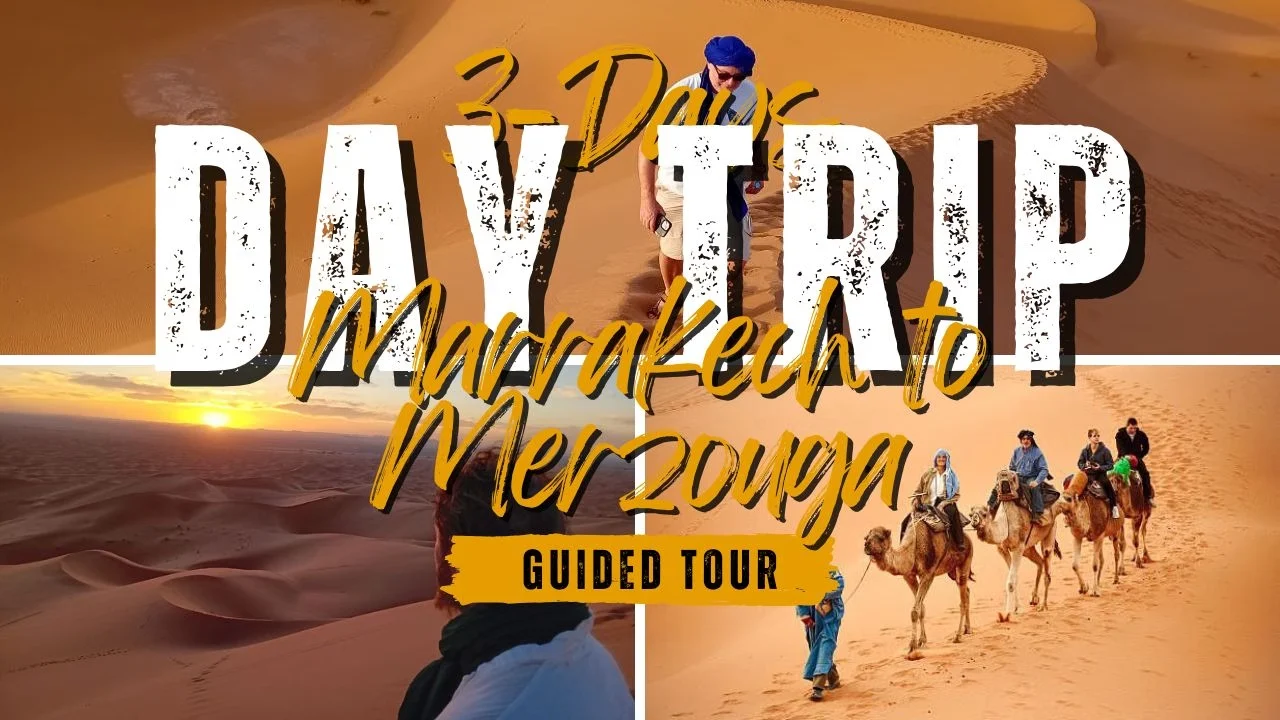
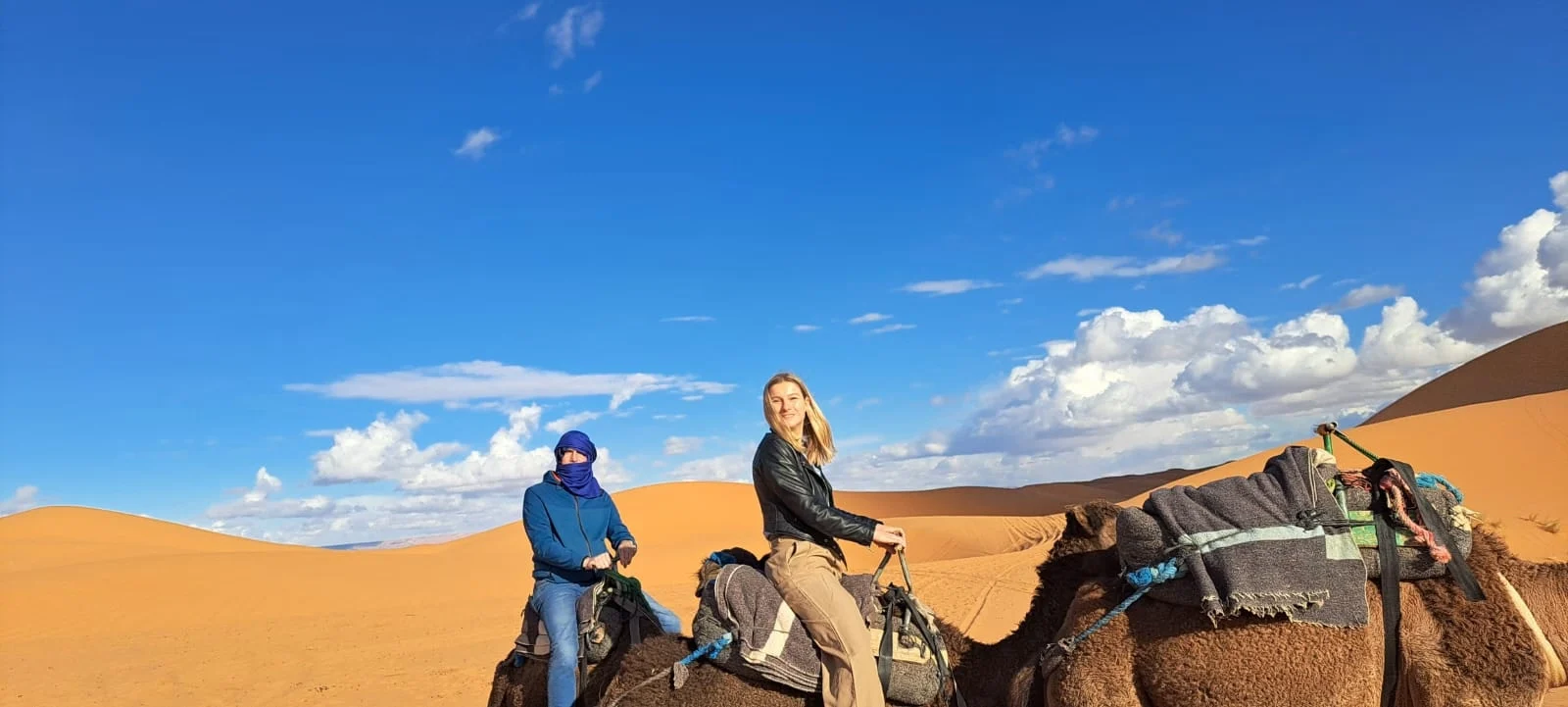
- Day 4-5: The Sahara Experience (Merzouga). Head to the Erg Chebbi dunes. Trade your 4×4 for a camel trek at sunset and spend the night in a luxury desert camp.
- Day 6: The Gorges and Oases. Explore the 400-meter-high walls of the Todra Gorge and the lush Dades Valley.
- Day 7: Return or Fes. Either circle back to Marrakech for your flight or head north to Fes to explore the world’s largest car-free urban area.
How to Book a Luxury Riad Stay in Marrakech Online
A riad is a traditional Moroccan house with an interior garden or courtyard. Staying in one is the quintessential Marrakech experience.
Top-Rated Luxury Riads in Marrakech:
- Riad Kniza: An 18th-century masterpiece known for its impeccable service and authentic decor.
- El Fenn: Owned by Vanessa Branson, this riad blends traditional architecture with modern art and a stunning rooftop pool.
- Royal Mansour: If budget is no object, this is essentially a “palace for your palace,” commissioned by the King of Morocco.
- Riad BE Marrakech: Famous for its iconic turquoise pool and “Instagrammable” tile work.
Booking Advice: Use platforms like Booking.com or Expedia but always check the riad’s official website first. Many riads offer “direct booking” perks like free airport transfers or traditional hammam sessions. Because the best riads only have 5–10 rooms, book at least 3-4 months in advance for peak seasons.
Guided Hiking in the Atlas Mountains
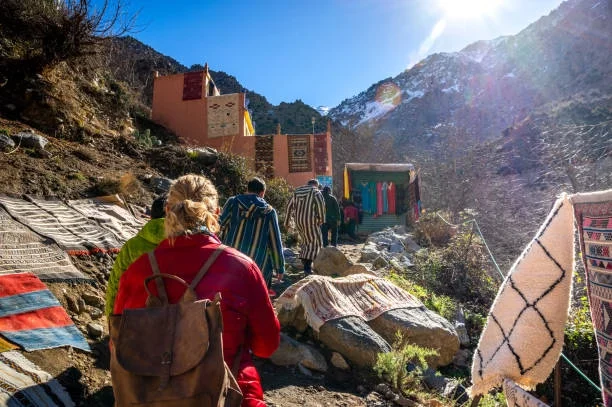
For those who want to swap the souks for the summits, the High Atlas Mountains offer world-class trekking just 90 minutes from Marrakech.
- Imlil: The gateway village for most treks. It’s the base for climbing Mount Toubkal, the highest peak in North Africa (4,167m).
- Guided vs. Solo: While you can walk between villages alone, a guide is highly recommended for any multi-day trek. Companies like Trek Atlas specialize in private, tailored tours that include mules to carry your gear and local cooks who prepare fresh tagines on the trail.
- What to Expect: You’ll pass through Berber villages where life has changed little in centuries. Expect “Berber Whiskey” (highly sweetened mint tea) at every stop.
Frequently Asked Questions (People Also Ask)
Is Morocco safe for female solo travelers? Yes, Morocco is generally safe, but it requires “street smarts.” Dressing modestly (covering shoulders and knees) and ignoring catcalls are the best ways to avoid unwanted attention. Staying in reputable riads and hiring licensed guides adds an extra layer of security.
How much should I tip in Morocco? Tipping (baksheesh) is an integral part of the culture. 10% is standard in restaurants. For a private driver, 100-200 MAD per day is appropriate, and for a local city guide, 150-250 MAD for a half-day is customary.
Are there direct flights from New York to Marrakech? Currently, Royal Air Maroc operates direct flights from JFK to Casablanca, with a short connection to Marrakech. However, United Airlines recently announced direct service from Newark (EWR) to Marrakech, making it easier than ever for US travelers to reach the Red City.
What should I pack for a Sahara camel trek? The desert is a land of extremes. Pack loose, breathable linen for the day and a heavy fleece or down jacket for the night. Don’t forget a “Cheche” (traditional turban) to protect your face from sand and sun.
Final Thoughts on Morocco Tourism
Morocco is not just a destination; it’s a feeling. Whether you’re sipping tea with a nomadic family in the Atlas Mountains or watching the sunset over the Atlantic in Essaouira, the country offers a depth of soul that is rare in modern travel. By following the 2026 entry guidelines and choosing reputable operators, your Moroccan adventure will be as seamless as it is spectacular.