Complete 2026 Safety Guide Including Flight Status & Geopolitical Impact
Quick Answer: Yes, Morocco is safe to travel right now in 2026. The country welcomed over 18 million tourists in 2025 with no major security incidents. While isolated flight cancellations occur due to technical issues and external factors (not security threats), they don’t reflect the overall safety of the destination. The Israel-Gaza war and Iran tensions have zero direct impact on Morocco due to geographic distance (5,655 km from Iran) and political separation.
Are Flights to Morocco Cancelled? Real-Time Flight Status Update (2026)
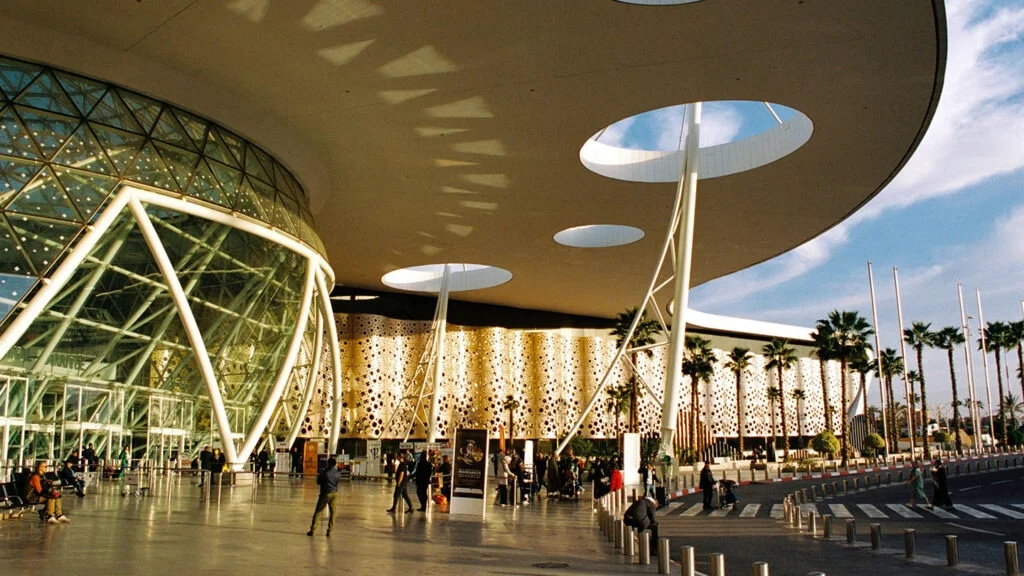
One of the most frequently searched questions right now is: “Are flights to Morocco cancelled?” The answer is nuanced, and understanding the real situation will help you make confident travel decisions.
Current Flight Situation: Isolated Incidents, Not System-Wide Cancellations
Yes, some flights to and from Morocco are periodically cancelled, but these cancellations are not due to security threats or safety concerns. Instead, they result from external factors beyond airline control:
- Technical disruptions at departure airports – In April 2025, over 40 flights were cancelled due to a widespread power outage in Spain and Portugal that cascaded to Morocco
- Air traffic controller strikes – For example, in July 2025, Royal Air Maroc cancelled flights to and from France due to French air traffic controller strikes scheduled for that date
- Domestic infrastructure issues – Occasional delays at major airports in Casablanca, Marrakech, Tangier, Agadir, Rabat, Fez, Oujda, and Nador
- Force majeure events – Weather disruptions, though rare in coastal areas
✓ Important: Morocco’s aviation ministry has confirmed these delays stem from problems at departure airports or extraordinary circumstances, NOT from any security issue in Morocco itself. Direct flights between Israel and Morocco were suspended after October 2023 due to travel advisories related to the Gaza conflict, but these are resuming in 2025 as tensions ease—not because of threats in Morocco.
How to Check and Monitor Flight Status
| Resource | Best For | Action Items |
|---|---|---|
| Royal Air Maroc Website | Direct flights to/from Morocco | Check flight status 48 hours before departure at royalairmaroc.com |
| Flight Tracking Apps (Flighty, FlightAware) | Real-time flight monitoring | Add your flight to receive instant cancellation/delay alerts |
| Your Airline Website | Booking-specific information | Manage your booking and get compensation eligibility info |
| Airline Email Alerts | Direct communication | Ensure your contact info is updated in booking records |
Pro Tip: According to EU regulations, if your flight from a European airport to Morocco is cancelled with less than 14 days’ notice due to airline fault (not extraordinary circumstances), you’re entitled to compensation up to €600. Keep your booking reference and documentation.
Is Morocco Safe Right Now? 2026 Safety Assessment
The short answer: Yes, Morocco is safe right now. Here are the facts:
18+ Million
Tourists visited Morocco in 2025 with no major security incidents
24th Globally
Morocco ranks 24th on the World Safety Index—ahead of Portugal, Sweden, and the Netherlands
Level 2
US State Department rating as of 2025: “Exercise Increased Caution” (due to terrorism risk, not current threats)
Why Morocco Is Safe for Travelers
- Political Stability: Morocco operates under a constitutional monarchy with consistent governance since the 2011 reforms. King Mohammed VI maintains strong regional and international ties.
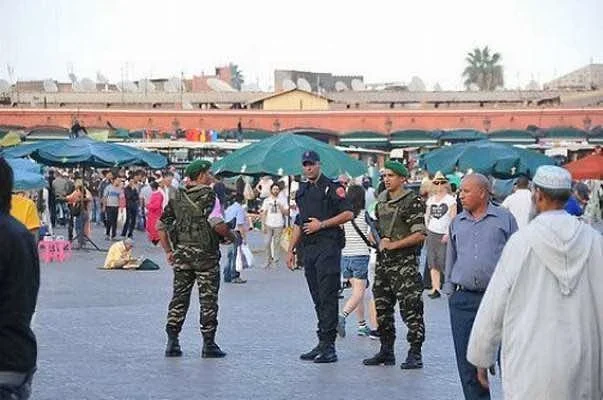
- Strong Security Services: The government prioritizes tourist safety with visible police presence in major cities and advanced border screening.
- Tourist Infrastructure: Over two decades of tourism development have created well-established safety protocols in hotels, riads, and tour companies.
- No Recent Major Incidents: The last significant terrorism incident occurred in 2011 (Marrakech bombing). Since then, authorities have arrested numerous suspected terrorists preemptively.
- Proven Resilience: Morocco weathered the COVID-19 pandemic, global economic uncertainty, and regional tensions without compromising tourist safety.
Real Safety Concerns vs. Overblown Fears
| Actual Concerns (Manageable) | Overblown Fears (Not Applicable) |
|---|---|
| Petty theft in crowded medinas (pickpockets, bag snatching) | Violent crime against tourists (extremely rare) |
| Scams targeting tourists (fake guides, overpriced items, rigged meters) | Random terrorist attacks in tourist areas (no recent cases) |
| Aggressive bargaining in markets (strong sales tactics) | War spilling over from Middle East (geographically impossible) |
| Traffic hazards (aggressive drivers, winding mountain roads) | Kidnapping or hostage-taking (virtually unheard of) |
| Harassment concerns for solo female travelers (unwanted attention in some areas) | General danger from large populations (25-40M people living safely) |
Is Morocco Affected by the Israel-Gaza War? Impact on Travelers in 2025
This is one of the most important questions travelers are asking, and the answer is clear: The Israel-Gaza war has zero direct impact on Morocco’s safety for tourists.
Morocco’s Geopolitical Position: Closer to Peace Than Conflict
Morocco signed a normalization agreement with Israel in December 2020 (Abraham Accords), formally recognizing Israel in exchange for US and Israeli recognition of Morocco’s claim to Moroccan Western Sahara. The October 7, 2023 Hamas attack and subsequent Gaza war created domestic political tension in Morocco, but this has not translated into danger for tourists. Here’s why:
✓ Security Cooperation Continues: Despite public street protests in major cities calling for stronger Palestinian solidarity, Morocco’s government has maintained and even deepened its security cooperation with Israel. In 2025 alone, Morocco purchased advanced military equipment including 36 self-propelled artillery systems and precision-guided missiles from Israel—a sign of confidence in the bilateral relationship.
Direct Effects on Tourism (Minimal and Recovering)
- Israeli Tourist Numbers: Direct flights between Israel and Morocco were suspended on October 19, 2023, causing Israeli tourism to drop sharply. However, negotiations for resuming flights are advanced, with flights expected to restart in 2025-2026. An estimated 200,000 Israeli tourists visited Morocco in 2022; this number is expected to rebound.
- Your Safety as a Tourist: The suspension of Israel-Morocco flights does NOT create danger in Morocco. It’s a political gesture and convenience measure, not a security issue.
- Public Demonstrations: Pro-Palestinian demonstrations occur in major cities, particularly on anniversaries of the war’s start. These protests are peaceful and targeted at government policy, not tourists. Simply avoid political gatherings if you prefer.
- Hotels and Businesses: All tourism infrastructure (hotels, restaurants, riads, tour companies) operates normally. Some Israeli-owned businesses saw reduced patronage but remain fully functional.
⚠ What You Should Know: While the Gaza war is heavily discussed in Moroccan media and social circles, it does NOT affect day-to-day tourism. Avoid political discussions, respect local sentiment, and your travel experience will be safe and enriching.
Historical Context: Why This Matters
Morocco has 2,500-3,000 indigenous Jews (the largest Jewish community in North Africa) and approximately 700,000 Israeli citizens of Moroccan descent. This unique heritage means Morocco has historically been a bridge between the Arab world and Israel. The normalization agreement was controversial domestically but has held firm despite the Gaza conflict—a testament to its strategic importance for Morocco’s security and development goals.
Is Morocco Near Iran? Understanding Geographic Distance and the Middle East Conflict
Another trending question is: “Is Morocco near Iran?” and “Is Morocco affected by Iran?” The answer is definitively no on both counts.
Geographic Facts: Thousands of Kilometers Apart
5,655 km
Distance from Morocco to Iran (as the crow flies): 3,514 miles or approximately 12 hours of non-stop flight time
To put this in perspective:
- Morocco to Iran = Morocco to Beijing (similar distance) – both are roughly 5,500-5,700 km away
- Morocco is closer to Europe than the Middle East: Morocco to Spain = 14 km (across the Strait of Gibraltar); Morocco to France = 500 km
- 5,000+ km separation ensures zero direct conflict spillover – military range, economic disruption, or political instability in Iran simply cannot reach Morocco
Is the Iran-Israel Conflict Affecting Morocco?
No, with only indirect economic ripples:
- Military Conflict: Zero risk. Missiles and drones have regional range (typically 1,500-2,000 km max), and there are no direct hostile relations between Iran and Morocco.
- Economic Spillover (Minimal): Global oil price increases might marginally affect fuel costs and international shipping, but this is a global phenomenon, not specific to Morocco.
- Flight Routes (Manageable): Some airlines may avoid Middle Eastern airspace due to general instability, potentially increasing flight times by 1-2 hours, but flights continue to operate.
- Tourism Impact: Zero. Hotels, tours, guides, and attractions operate normally with no disruptions.
✓ Reassurance from Experts: Travel advisory services including the US State Department, Canadian government, UK Foreign Office, and Australian Smartraveller all confirm that Morocco is unaffected by Middle East tensions. Daily life in Morocco continues normally, with no changes to tourism operations.
Morocco’s Role in Middle East Stability
Interestingly, Morocco is becoming MORE important, not less, as a stable partner in the region. Morocco is:
- Participating in US-led African Lion military exercises alongside Israeli and 20+ other country forces
- Deepening ties with both Israel and Arab states due to its unique position as a bridge culture
- Serving as a potential mediator given its historical ties to Palestinian leadership and current relations with Israel
Safety Ratings by City: Where to Travel with Confidence in Morocco
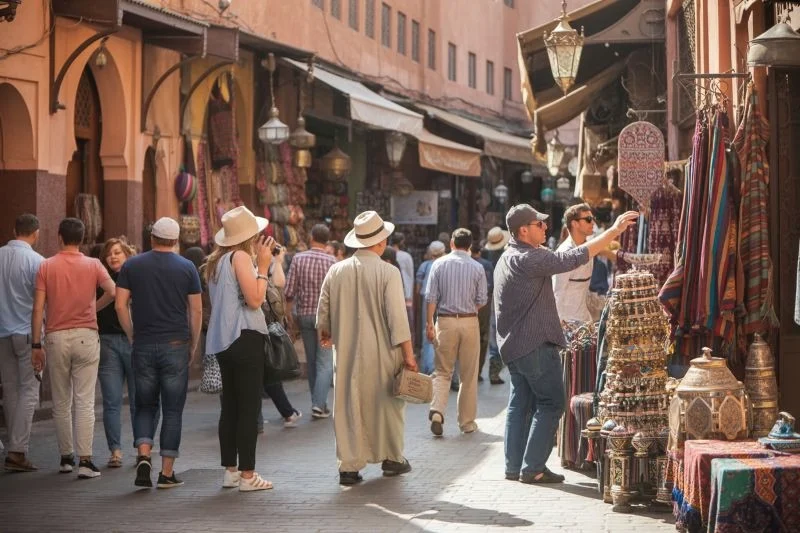
While Morocco is generally safe, some cities have better infrastructure and lower petty crime rates than others. Here’s a city-by-city breakdown:
| City | Safety Rating | Best For | Key Precautions |
|---|---|---|---|
| Marrakech | 8/10 – Very Safe | Cultural exploration, medina wandering | Pickpockets in medinas; use anti-theft bags |
| Casablanca | 8/10 – Very Safe | Modern city experience, business travel | Petty crime in certain neighborhoods after dark |
| Fes | 7.5/10 – Safe | Historic medinas, artisan crafts | Complex medina maze; hire licensed guides |
| Tangier | 7.5/10 – Safe | Beach relaxation, Spain day trips | Avoid deserted beaches; use official taxis |
| Chefchaouen | 9/10 – Very Safe | Mountain trekking, relaxation | Minimal risks; small, tourist-friendly town |
| Agadir | 8.5/10 – Very Safe | Beach holidays, water sports | Beachside tourist scams; verify operators |
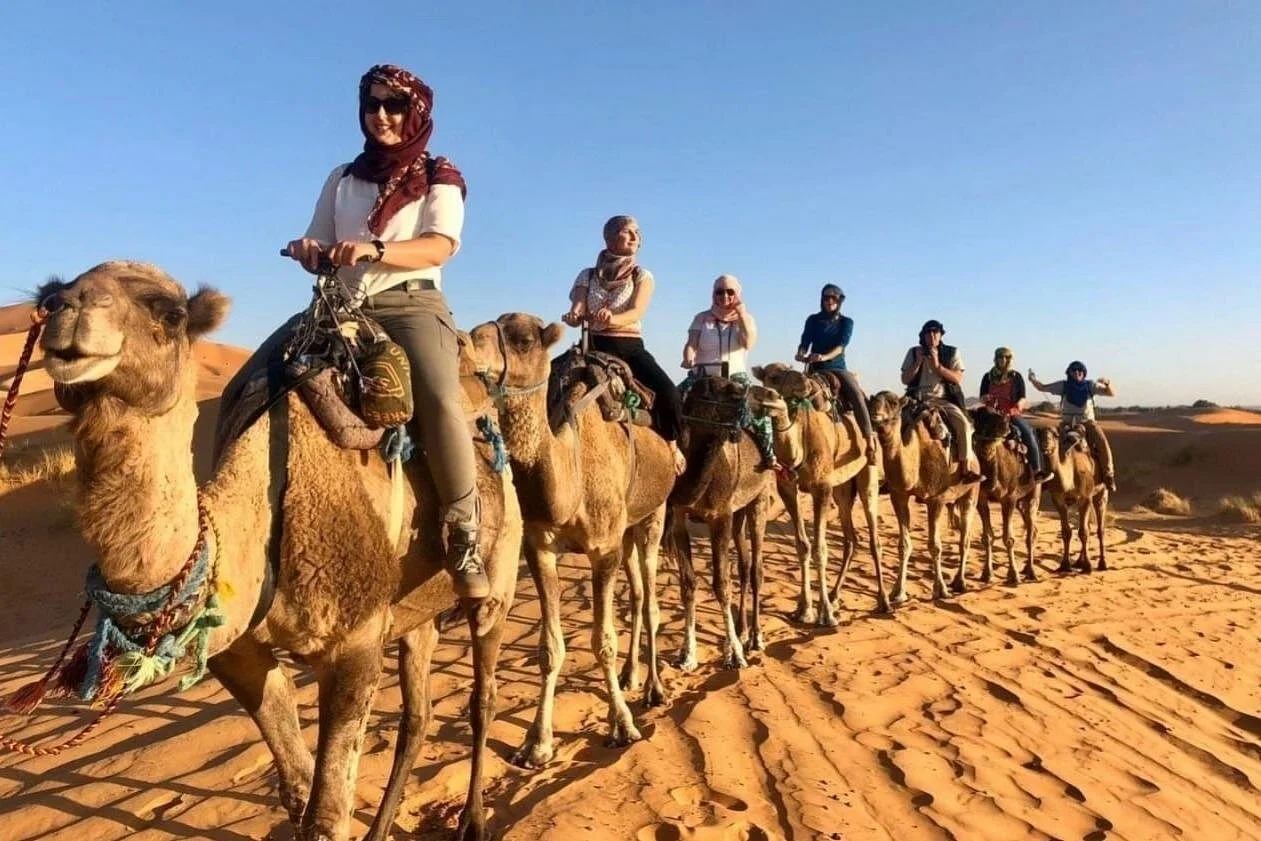
| Sahara Desert (Merzouga/Erg Chebbi) | 9/10 – Very Safe | Camel treks, desert camps | Book with established tour companies only |
Pro Insight: The safest experience comes from booking guided tours with local experts who provide ground-truth safety knowledge. Local guides know which neighborhoods are safe at what times, speak the language, and have relationships with locals who welcome tourists warmly.
Essential Safety Tips for Traveling to Morocco in 2026
Before You Travel
- Register with your embassy: Enroll in the US State Department’s STEP (Smart Traveler Enrollment Program) or equivalent for your country. You’ll receive embassy alerts and can be located in emergencies.
- Verify your flight status: Monitor Royal Air Maroc and your airline’s website starting 48 hours before departure.
- Get travel insurance: Comprehensive coverage including medical evacuation is non-negotiable, especially if trekking in remote areas.
- Check vaccination requirements: No mandatory vaccines, but yellow fever, hepatitis A/B, and typhoid are recommended.
- Inform your bank: Let your credit card company know you’ll be in Morocco to prevent fraud flags.
Common Scams and How to Avoid Them
- The Fake Guide: Unlicensed “guides” approach you claiming monuments are closed or offering better prices. Solution: Book guides through your hotel or established tour operators.
- Fes Tannery Trick: Someone claims the tannery is closed for prayer, offers to take you to a “brother’s leather shop.” Solution: Know that tanneries don’t close mid-day; go directly through your hotel.
- Taxi Meter Tricks: Cabs claim meters are “broken” and overcharge. Solution: Use official petit taxis (color-coded by city), Heetch app, or pre-arranged transfers.
- Overpriced Goods: Shop owners swap your purchased item for inferior quality. Solution: Inspect items before paying, avoid high-pressure sales, use credit cards when possible.
- Fake Internet Scams: Romance/marriage schemes via online dating. Solution: Exercise extreme caution with online relationships; verify identities before sending money or personal info.
Safety Tips by Traveler Type
👩 Solo Female Travelers
- Dress modestly (cover shoulders, knees) to reduce unwanted attention
- Avoid walking alone after dark; use taxis or group tours
- Be prepared for cat-calling and hissing in crowded areas (standard behavior, rarely threatening)
- Stay in female-friendly riads or established hostels with female dorm options
- Travel with companions when exploring medinas
- Inform someone of your daily itinerary
👨 Male Travelers
- Dress respectfully (no short shorts; cover the torso)
- Avoid photographing locals without permission
- Don’t engage in drugs or illegal substances (harsh penalties including jail)
- Be cautious on public transport; watch valuables
- Respect Islamic customs; don’t drink alcohol in public
👶 Family Travelers with Children
- Book guarded riads with courtyards (safe for children to play)
- Use private drivers or established tour operators rather than public transport
- Avoid street food; eat at established restaurants
- Pack a comprehensive travel health kit; medical care in major cities is good but rural areas are limited
- Visit reliable beaches (official tourist beaches, not public ones with strong currents)
- Never approach stray animals (rabies risk)
Health and Medical Safety
- Water: Drink bottled water only; avoid tap water, ice, and salads washed in tap water
- Food: Use the “hot, cooked, and busy” rule – eat food that’s clearly steaming from vendors with long lines of locals
- Mosquito-Borne Illnesses: Dengue, malaria (low risk), and leishmaniasis are present. Use repellent, wear long sleeves at dusk.
- Altitude Sickness: If trekking the Atlas Mountains (over 3,000m), ascend slowly and stay hydrated
- Medical Care: Excellent in major cities (private clinics are superior to public hospitals); limited in remote areas
- Pharmacy Access: Pharmacies are abundant; prescriptions from home doctors are respected
Emergency Contacts
- Emergency (Police/Fire/Ambulance): 190 (or individual numbers: Police 19, Fire 15, Ambulance 14)
- Tourist Police: Available in major cities; staffed by English speakers
- Your Embassy: Have contact info saved in your phone before traveling
- Travel Insurance Company: Keep policy number and 24/7 hotline accessible
Plan Your Safe Morocco Journey with Expert Local Guides
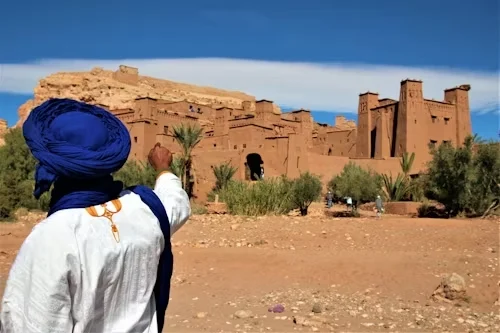
The #1 way to ensure a safe and enriching Morocco experience is to travel with knowledgeable local guides who understand the country’s nuances, speak the languages, and maintain relationships within their communities.
🗺 Get a Personalized Morocco Travel Guide
Our Morocco travel guides provide city-specific PDFs with insider knowledge, maps, safety recommendations, and cultural tips tailored to your interests. Please contact us by Email: [email protected]
What’s Included:
- ✓ City-by-city safety guides with real-time info
- ✓ Maps of safe neighborhoods and tourist zones
- ✓ Scam-avoidance strategies from experienced travelers
- ✓ Local restaurant and accommodation recommendations
- ✓ Cultural etiquette and dress code guidance
- ✓ Emergency contact information and health resources
- ✓ Off-the-beaten-path hidden gems
Each guide is updated monthly to reflect current safety conditions, flight status, and geopolitical developments.
Why Book with Local Tour Guides?
| Experience Type | Safety & Confidence | Why It Matters |
|---|---|---|
| Solo travelers with generic guidebooks | ⭐⭐⭐ – Vulnerable to scams | No local ground truth; easy target for fake guides |
| Groups using unvetted guides | ⭐⭐⭐ – Variable quality | No accountability; inconsistent safety knowledge |
| Licensed local guides from established tour companies | ⭐⭐⭐⭐⭐ – Maximum security | Vetted professionals with insurance, language skills, real-time safety updates |
Our Recommended Tours & Experiences
Beyond travel guides, our partner local tour operators offer guided experiences across Morocco’s major destinations:
- Marrakech Medina & Souks Safe Exploration Tour – Navigate the maze-like medinas with expert guides who prevent scams and share authentic stories
- Sahara Desert 3-Day Guided Trek – Camel trekking with established operators, luxury desert camps, and Berber cultural experiences
- Fes Tannery & Craft Workshop Experience – Avoid the “tannery trick” by booking the authentic, direct experience
- Atlas Mountains Hiking with Local Experts – Safety-focused trekking with altitude acclimatization support
- Casablanca to Essaouira Coastal Route – Safe beach exploration with cultural context and dining recommendations
Special Offer for 2025-2026: Book any guided tour package and receive a complimentary Morocco safety PDF guide customized to your itinerary, featuring real-time flight status, current local events, and safety checkpoints for each destination.
Final Answer: Is It Safe to Travel to Morocco Right Now?
Absolutely yes. Morocco is safe, welcoming, and one of the most rewarding travel destinations in Africa. While it’s important to be aware of:
- Occasional flight cancellations (which are not security-related)
- Petty crime opportunities in crowded medinas (easily avoided with awareness)
- Cultural and religious customs to respect (rewarded with warm hospitality)
These are manageable considerations, not deterrents. The country’s 18+ million annual tourists, political stability, strong security services, and proven tourism infrastructure make it statistically safer than many European destinations you’ve likely already visited.
The Israel-Gaza war and Iran tensions are geographically and politically distant from Morocco’s tourism sector. Direct flights between Israel and Morocco are resuming, a sign that both countries view tourism as priority. Meanwhile, Morocco’s 5,655-km distance from Iran means zero impact from Middle East instability.
Ready to Experience Morocco Safely?
Let local experts guide you through the wonders of Morocco with confidence.Book Your Safe Morocco Tour Today
About This Guide
This article is regularly updated with the latest safety information, flight status updates, and geopolitical developments affecting Morocco travel. Last updated: March 2026. Our mission is to provide travelers with accurate, nuanced information so you can make confident decisions and experience Morocco’s magic safely.
📍 Disclaimer: This guide represents current best-practice travel advice as of 2025-2026 and is based on official government travel advisories, local expert insights, and recent traveler experiences. Always check official embassy advisories before traveling.