- 5
- 3
- 2
- 2
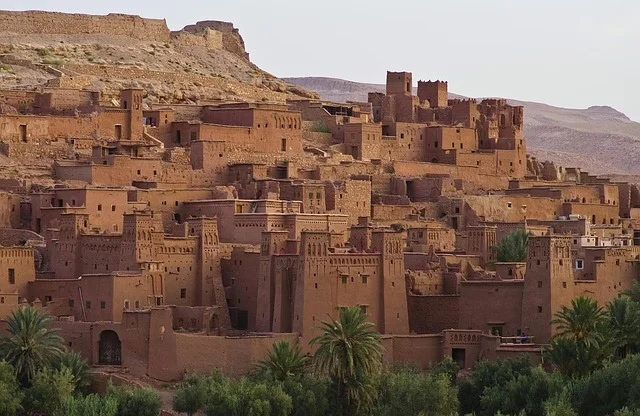
Ait Ben Haddou: Walking Through 1,000 Years of History (This is What Ancient Morocco Looks Like—And Where Hollywood Filmed)
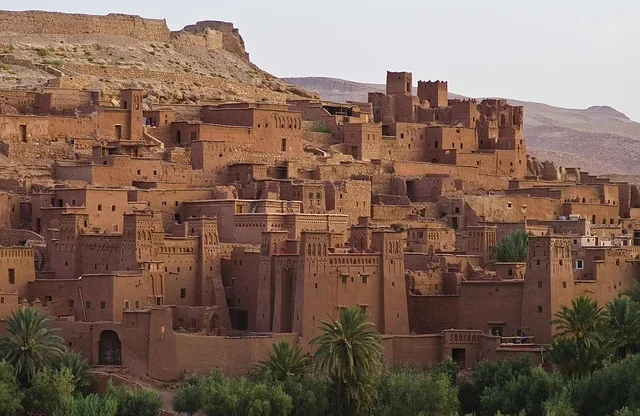
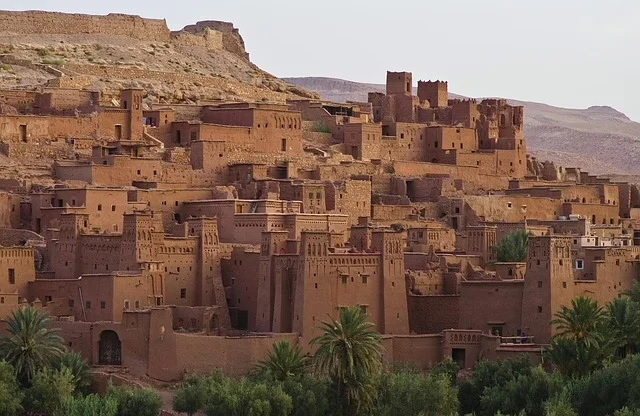
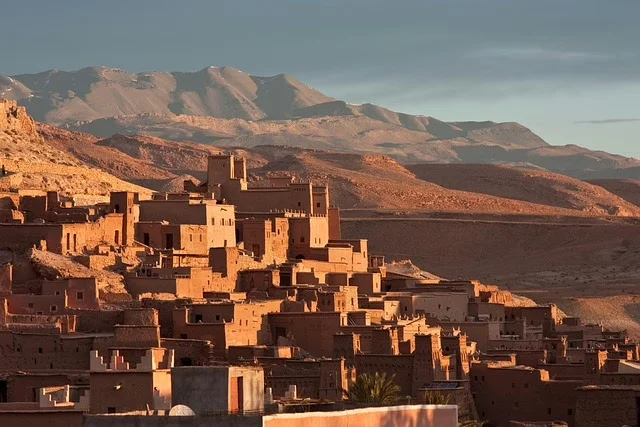
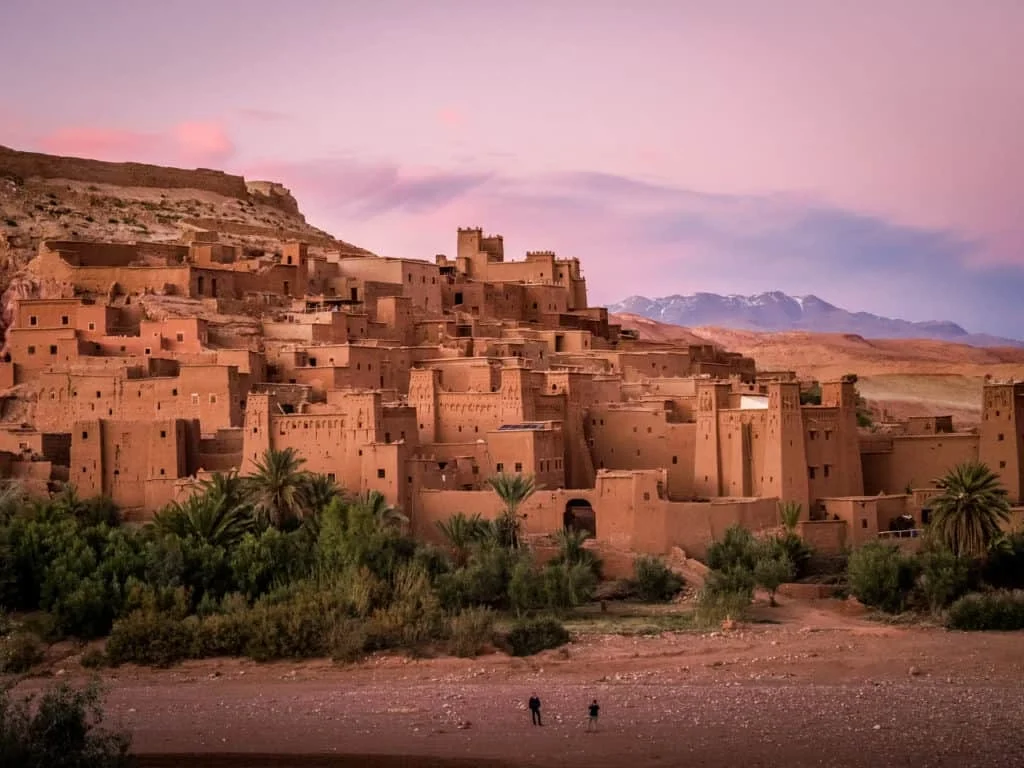
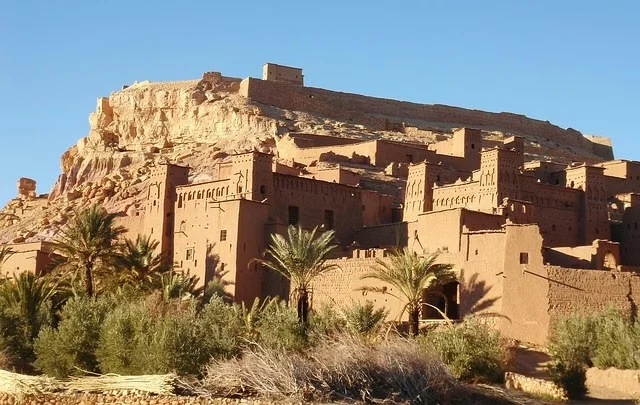
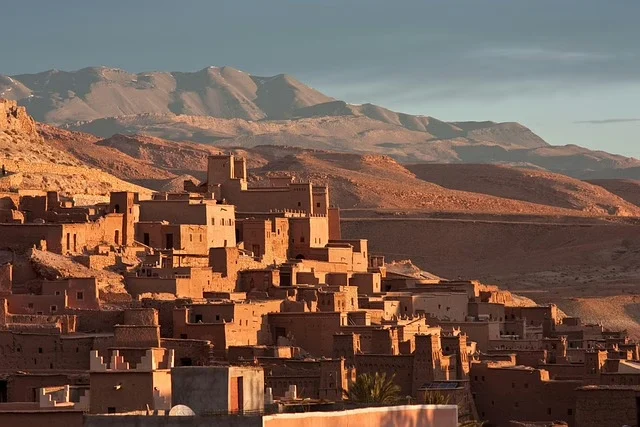
Ait Ben Haddou is the oldest inhabited kasbah (fortified city) in Morocco.
1,000+ years of continuous habitation.
Red clay construction that predates concrete.
Berber architecture that influenced fortress design across North Africa.
Now a UNESCO World Heritage Site.
Most people visit as a day trip from Marrakech (2 hours drive).
They spend 2 hours, take photos, leave.
Those are the people who miss the actual story.
—
WHAT MAKES AIT BEN HADDOU SPECIAL?
The Architecture:
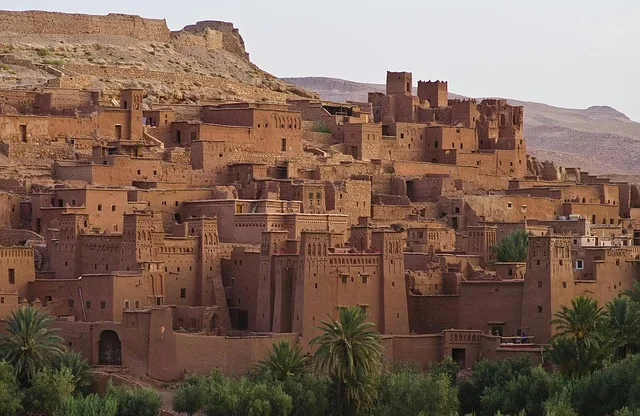
– Kasbah = fortified city (defensive city walls, family compounds inside)
– Built with clay/earth (not stone—must be re-earthed periodically)
– Narrow streets (defensive—enemies can’t navigate easily)
– Connected roofs (families could move between houses without going outside)
– No ground-floor windows (defense against attacks)
– Communal spaces (shared ovens, wells, meeting areas)
Why It’s Historic:
– Controlled trans-Saharan trade routes (gold, salt, spices moving through)
– Casbah families were merchant princes (controlled commerce, grew wealthy)
– Berber/Amazigh architectural tradition preserved (most traditional kasbah in Morocco)
– Predates Morocco as nation (built when Berber kingdoms ruled)
Why It’s in Movies:
– Red clay is photogenic (Gladiator, Kingdom of Heaven, Babel filmed here)
– Looks ancient (because it IS ancient)
– Minimal modern interference (feels like traveling backward in time)
– Multiple stories to show (rooftops, streets, family homes)
—
THE EXPERIENCE – What You Actually Do There?
If You Go Alone:
– Park car, walk across bridge
– Explore narrow streets
– Get lost (streets are maze-like)
– Take photos (everyone does)
– Leave after 2 hours
If You Go With a Local Guide:
– Learn why buildings are designed this way
– Meet family living in traditional kasbah (they still live here)
– Understand communal life (shared ovens, water systems)
– Taste traditional food (cooked in kasbah kitchen)
– Access areas tourists don’t normally see
– Understand the trade route history
– Leave understanding something real
—
PRACTICAL INFO:
Location:
– 47 km from Ouarzazate
– ~3 hours from Marrakech
– On road between Marrakech and Merzouga (good stopping point)
Best Visit Duration:
– Minimum 2 hours (basic walk-through)
– 4 hours (with guide, explore properly)
– Full day (with overnight in Ouarzazate)
What to Bring:
– Water (no shade in summer)
– Good shoes (uneven clay streets)
– Camera (it’s photogenic)
– Respect for locals living here (this isn’t a museum, people actually live here)
—
CULTURAL RESPECT NOTES:
Ait Ben Haddou is Living History:
– ~100+ families still live in kasbah (not abandoned)
– They live traditionally but have electricity/water
– They’re used to tourists but appreciate respectful behavior
– Kids will try to sell you things (polite decline or fair price)
– Permission for photos (especially of people) is important
Photography Etiquette:
– Don’t photograph people without asking
– Rooftops are accessible but respect privacy
– Some family spaces are off-limits
– Guides can help with proper permission
—
WHY IT’S WORTH MORE THAN 2 HOURS?
The Stories:
– Each kasbah belonged to trading family
– Family histories go back centuries
– Stories of wealth, power, decline, adaptation
– How climate change affected trade
– How families adapted to modernization
The Architecture Lesson:
– How medieval defense worked (street design)
– How communities solved water/sanitation (pre-modern engineering)
– How clay construction works (maintenance, seasonal repairs)
– How Berber traditions were preserved through architecture
The Human Element:
– Families still living traditionally
– Kids going to modern schools
– Old traditions meeting new world
– How tourism changed their lives
BELEW ARE LISTED TOURS THAT INCLUDE AIT BEN HADDOU!