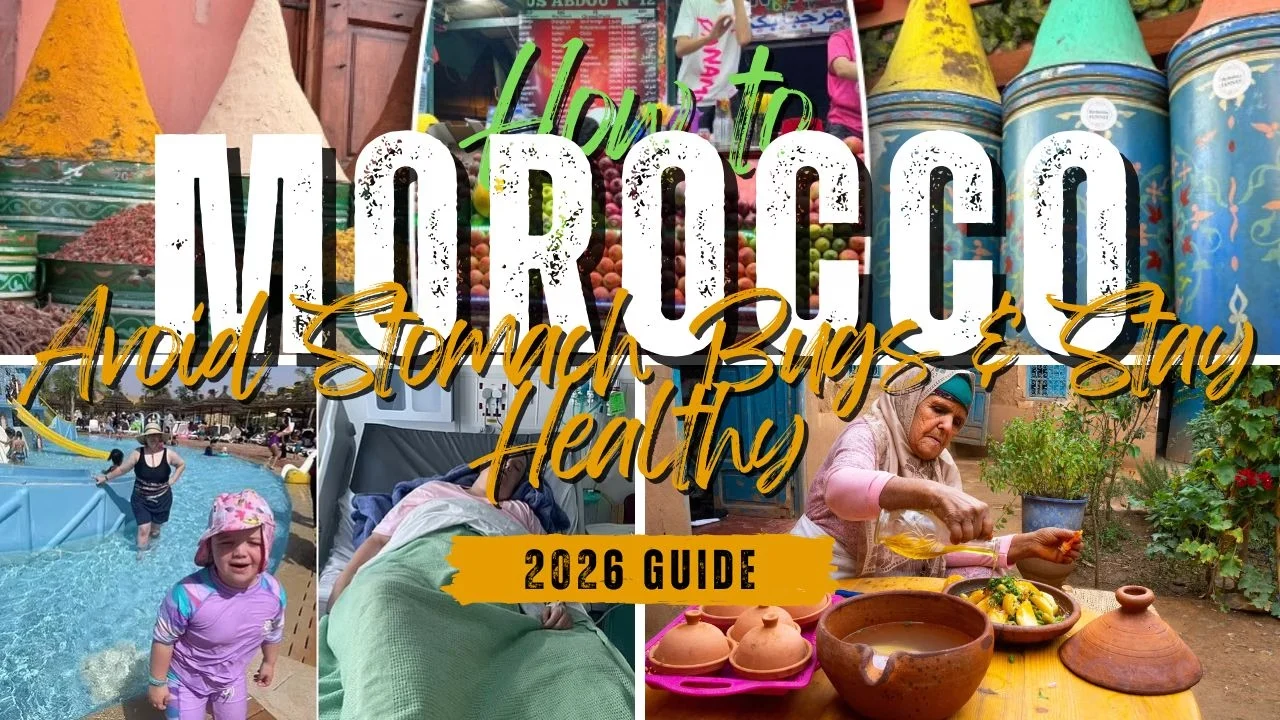
When planning your trip to Morocco, one of the most common concerns is:
“How do I avoid a stomach bug in Morocco while traveling?”
The good news is that Morocco is generally safe for food and water when you follow a few simple health habits. Most stomach issues occur due to sudden diet changes, street food hygiene, unfiltered water, or heat exposure, not because the country is unsafe.
This guide explains exactly how to avoid stomach bugs, how to eat safely, what water to drink, and when to use medication — all based on real traveler experience and up-to-date 2026 health recommendations.
To avoid stomach bugs in Morocco, drink bottled or filtered water only, choose freshly cooked foods, avoid raw salads in low-traffic restaurants, wash hands frequently, and carry probiotics or Imodium. Stick to busy eateries, peel fruits yourself, and avoid ice unless it’s filtered.
Why Tourists Get Stomach Bugs in Morocco
Most stomach issues come from three simple causes:
1. Water Quality Differences
Tap water is treated and safe for locals, but visitors often react due to different minerals.
2. Food Prepared Differently Than at Home
Spices, oils, and new ingredients can cause temporary digestive reactions.
3. Heat + Dehydration
Morocco can be very hot. Dehydration can mimic food poisoning symptoms.
4. Unfamiliar Street Food Hygiene
Some vendors are excellent — others are not.
How to Avoid Getting Sick in Morocco: Practical Tips That Work
✔ 1. Drink Only Bottled, Filtered, or Sealed Water
- Always check bottles for a proper seal.
- Avoid tap water, even in hotels.
- Use bottled water when brushing your teeth.
- Do not drink drinks with ice unless you trust the restaurant.
💡 Most 4–5 star riads use filtered ice — ask if unsure.
✔ 2. Be Selective With Street Food
Street food in Morocco can be amazing, but choose wisely:
Safe signs:
- Busy stalls with constant turnover
- Food cooked in front of you
- Hot, steaming dishes
Avoid:
- Raw salads (unless from reputable restaurant)
- Mayonnaise-based sauces
- Pre-cut fruit sold in open air
- Seafood far from the coast
✔ 3. Eat Freshly Cooked (Not Reheated) Food
If it’s hot and freshly made, it’s usually safe.
Avoid buffets sitting out for hours.
✔ 4. Wash Hands Often (Or Use Sanitizer)
Medinas are dusty, markets are crowded — hands pick up bacteria easily.
Quick rule:
Clean hands = fewer stomach bugs.
✔ 5. Carry a Travel Pharmacy
Recommended items:
- Probiotics (start 3 days before your trip)
- Electrolyte packets (for heat recovery)
- Imodium (emergency only — not for long-term use)
- Activated charcoal tablets
- Rehydration salts
If symptoms last longer than 48 hours, visit a local pharmacy — Moroccan pharmacists are extremely helpful.
✔ 6. Be Careful With Dairy
Many Moroccan dishes contain cheese or milk. Some travelers react to unpasteurized dairy.
If unsure, ask:
“Is this pasteurized?”
✔ 7. Avoid Food When You Feel Pressured to Eat
Vendors may insist — politely decline if something feels unhygienic.
✔ 8. Choose Restaurants With Good Hygiene
Look for:
- Clean tables
- Visible kitchens
- Clear menu
- High foot traffic
✔ 9. Eat Like Locals (Good Hint of Quality)
Locals have excellent instincts — if a restaurant is crowded with Moroccan families, that’s a very good sign.
✔ 10. Respect Cultural Norms (Surprising Health Benefit)
Following Morocco’s cultural guidelines for tourists helps you avoid awkward situations where food is shared unexpectedly or hygiene is uncertain.
See:
👉 cultural guidelines for tourists
Foods That Are Safest for Sensitive Stomachs in Morocco
Best choices:
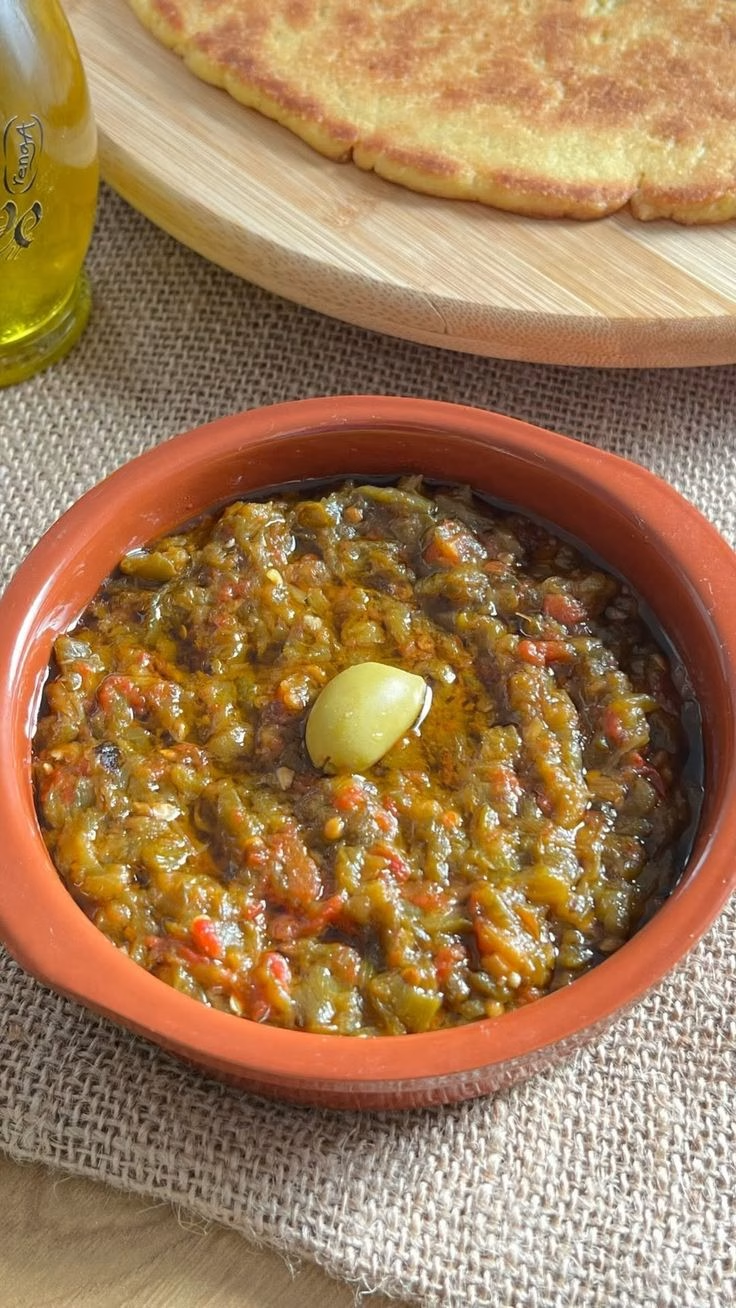
- Couscous
- Tagine (freshly cooked)
- Harira soup
- Freshly grilled meats
- Bread (khobz)
- Mint tea
- Fresh oranges (peel yourself)
Foods to be cautious with:
- Raw lettuce / salads
- Cheap seafood far from the coast
- Street-made juices with unknown water
- Old pastries or cream-based desserts
Is It Safe to Eat Meat in Morocco?
Yes — but choose:
- Grilled meats
- Fresh cuts
- Busy restaurants
- Chicken & lamb over seafood inland
Avoid low-traffic street stalls grilling meat as hygiene varies.
Is Tap Water Safe?
Tap water in big cities is treated and safe for locals but can upset travelers.
For visitors, bottled or filtered water is best.
If You Get Sick: What to Do
✔ Day 1–2
- Drink electrolytes
- Avoid dairy
- Eat bananas, bread, plain rice
- Take activated charcoal
✔ If no improvement by Day 3
Visit a local pharmacy or clinic.
Medical care is affordable and effective.
Health With Overall Travel Safety
Staying healthy is part of staying safe. If you want a broader look at Morocco’s travel safety situation in 2026, especially for U.S. visitors, check our updated guide:
👉 current Morocco travel safety level
Final Advice: Staying Healthy Is Easy With Simple Habits
You don’t need strict rules to avoid stomach issues in Morocco — just smart choices:
- Drink sealed or filtered water
- Pick clean restaurants
- Eat foods cooked fresh
- Carry basic medication
- Stay hydrated in the heat
Follow these tips and you’ll enjoy Morocco’s food, culture, and hospitality without worries.