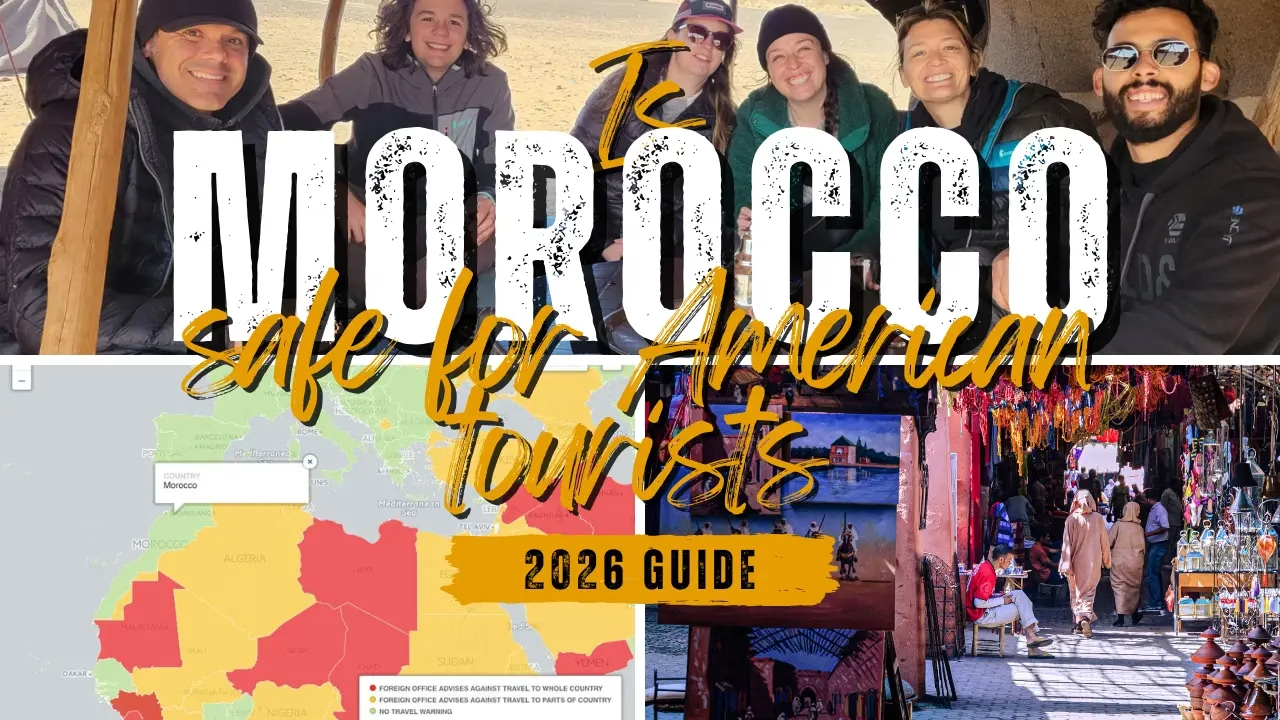
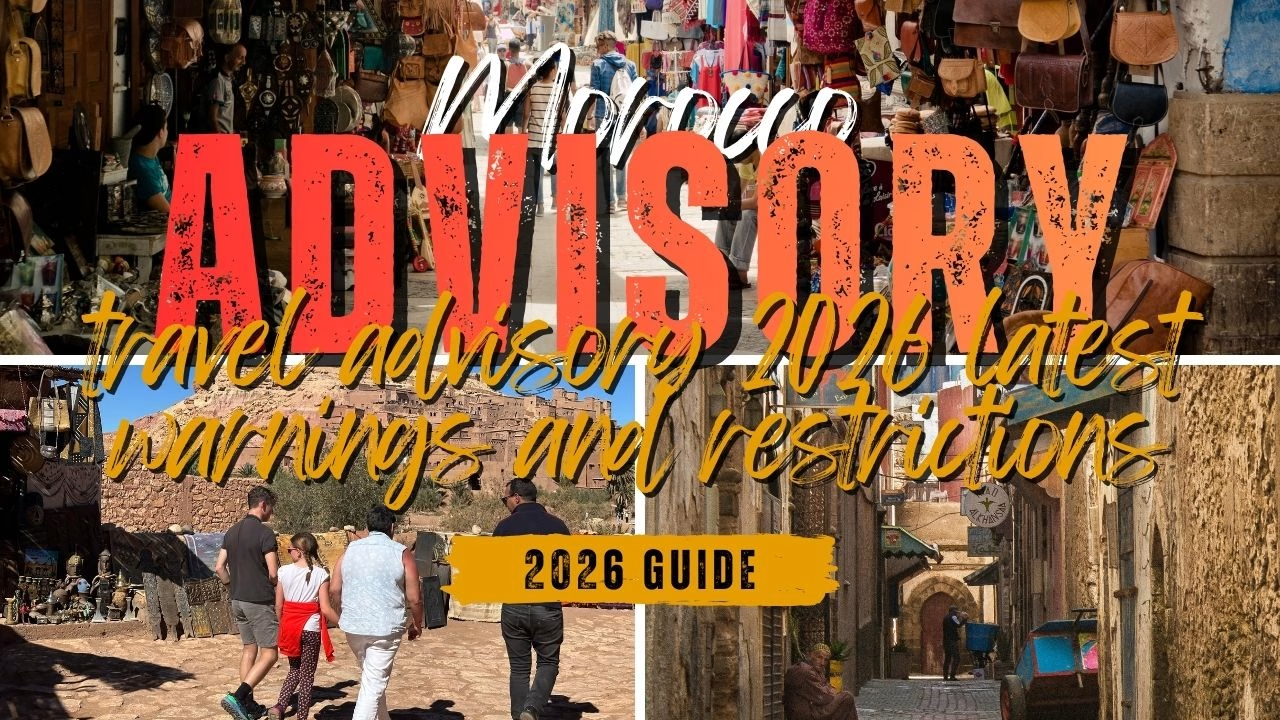
If you’re asking “Is it safe to travel to Morocco in 2026?” — the practical answer is yes for most travelers, including Americans, with normal precautions. Morocco remains open for tourism, and the main “real-world” risks tourists face are petty theft/scams in busy areas, occasional protests, and seasonal weather disruptions (heavy rain, flooding, and mountain snow in winter). Check your government’s advisory level, avoid border-sensitive zones, and plan around weather alerts.
Quick Answer
Morocco is generally safe to visit in 2026 with increased caution: follow standard safety habits (watch valuables, use licensed guides, avoid protests), expect no routine nationwide entry restrictions, and plan for winter weather disruptions like floods and snow in some regions. Always follow your country’s official Morocco travel advisory and local alerts before moving between cities.
Why This Morocco Travel Advisory 2026 Matters
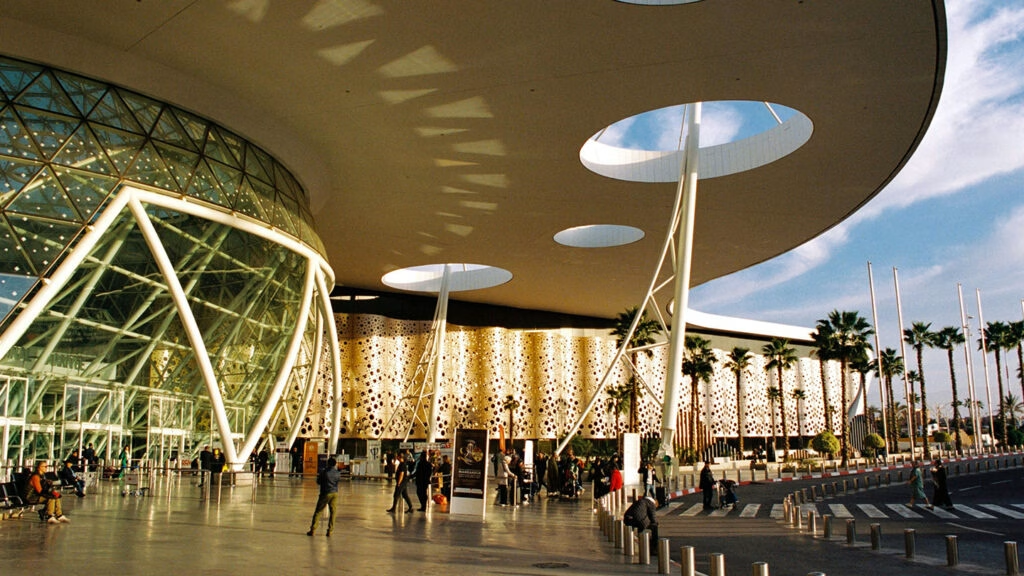
Travel advisories aren’t “bans.” They’re risk summaries that help you plan smarter. In Morocco, advisories commonly mention:
- Petty crime & scams in medinas and crowded tourist zones
- Terrorism risk (low probability, high impact) in public places
- Demonstrations that can happen with little notice
- Weather events (winter storms, flooding, mountain snow) that can disrupt roads and tours
1) Latest Morocco Travel News and Warnings (Dec 2025 → Jan 2026)
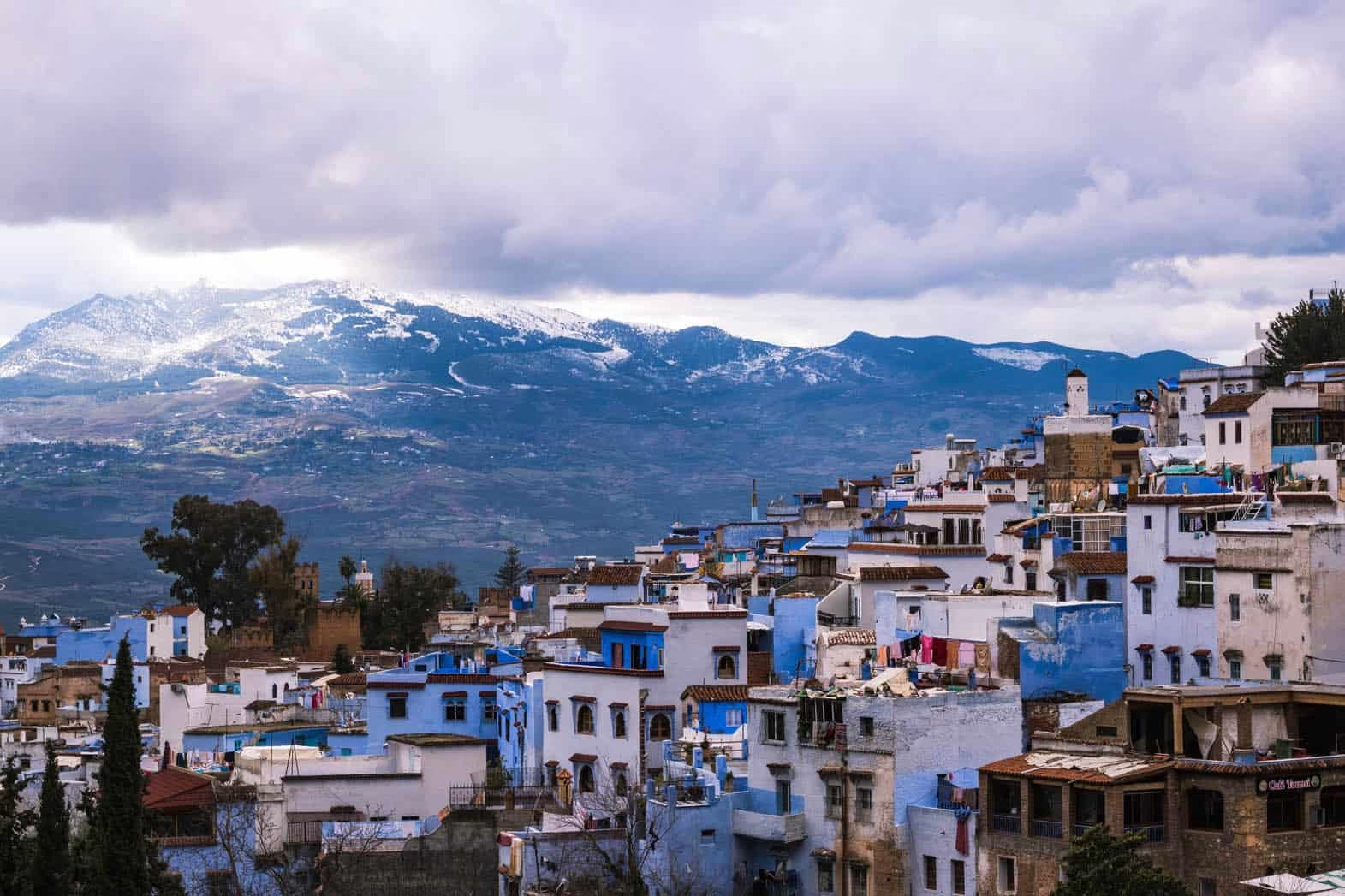
Winter weather: floods + heavy rain + snow risk
In mid-December 2025, Morocco saw severe weather including deadly flooding (notably reported in Safi) and broader storm impacts across multiple areas, highlighting the biggest “surprise risk” for winter travel: road disruption and regional flooding rather than nationwide closures.
What this means for 2026 travelers
- Build flexibility into itineraries (especially if you’re doing Atlas crossings or desert routes).
- Prefer daytime driving in winter.
- Keep a buffer day if your trip includes mountains (High Atlas / Middle Atlas).
For a December-specific snapshot, see:
2) Morocco Travel Advisory Level 2026 (US, UK, Canada, Australia)
Advisory wording differs by country, but the themes are similar: exercise caution, especially in crowds and tourist-heavy zones.
United States (U.S. State Department)
The U.S. travel advisory for Morocco is Level 2: Exercise Increased Caution (as of the latest published advisory page).
United Kingdom (FCDO)
The UK FCDO provides Morocco travel advice with sections on safety/security and entry rules; always check the “Warnings” and “Regional risks” sections for updates.
Canada (Travel.gc.ca)
Canada’s advisory page includes entry guidance and safety notes and is a reliable cross-check for changes (passport validity details are also clearly listed).
Australia (Smartraveller)
Australia advises travelers to exercise a high degree of caution in Morocco overall, with higher levels sometimes applying in specific areas.
Bottom line: Morocco is not generally treated like a “do not travel” destination by major governments — it’s typically categorized as open with caution, similar to many popular countries where petty crime and situational awareness matter.
3) Travel to Morocco: Current Rules, Restrictions & Advisories (2026)
Are there Morocco travel restrictions right now?
As of late 2025 guidance across major sources, Morocco is open to leisure travel, and broad COVID-era entry requirements are not generally in effect (always confirm with your airline and official advisory pages).
Morocco entry basics (tourists)
Entry rules vary by passport nationality, but commonly referenced requirements include:
- Passport validity rules (varies by government guidance; many recommend 6 months to be safe)
- Tourist stays often allowed up to 90 days for many nationalities
- Proof of onward travel / accommodation can be requested (especially by airlines)
Pro tip for tour groups: Use one checklist document for everyone (passport expiry, emergency contacts, allergies/meds, insurance policy numbers). It reduces airport friction.
4) How Will Morocco Travel Advisories Change in 2026?
Most “advisory changes” happen due to:
- Regional security shifts (protests, border area incidents)
- Seasonal weather extremes (winter storms/flooding; summer heat waves)
- Major events (large gatherings → higher pickpocket/scam risk)
Realistic expectation for 2026:
You’re more likely to see short-term alerts (storms, protests) than a major nationwide restriction.
5) Which Cities in Morocco Have the Highest Travel Alerts Now?
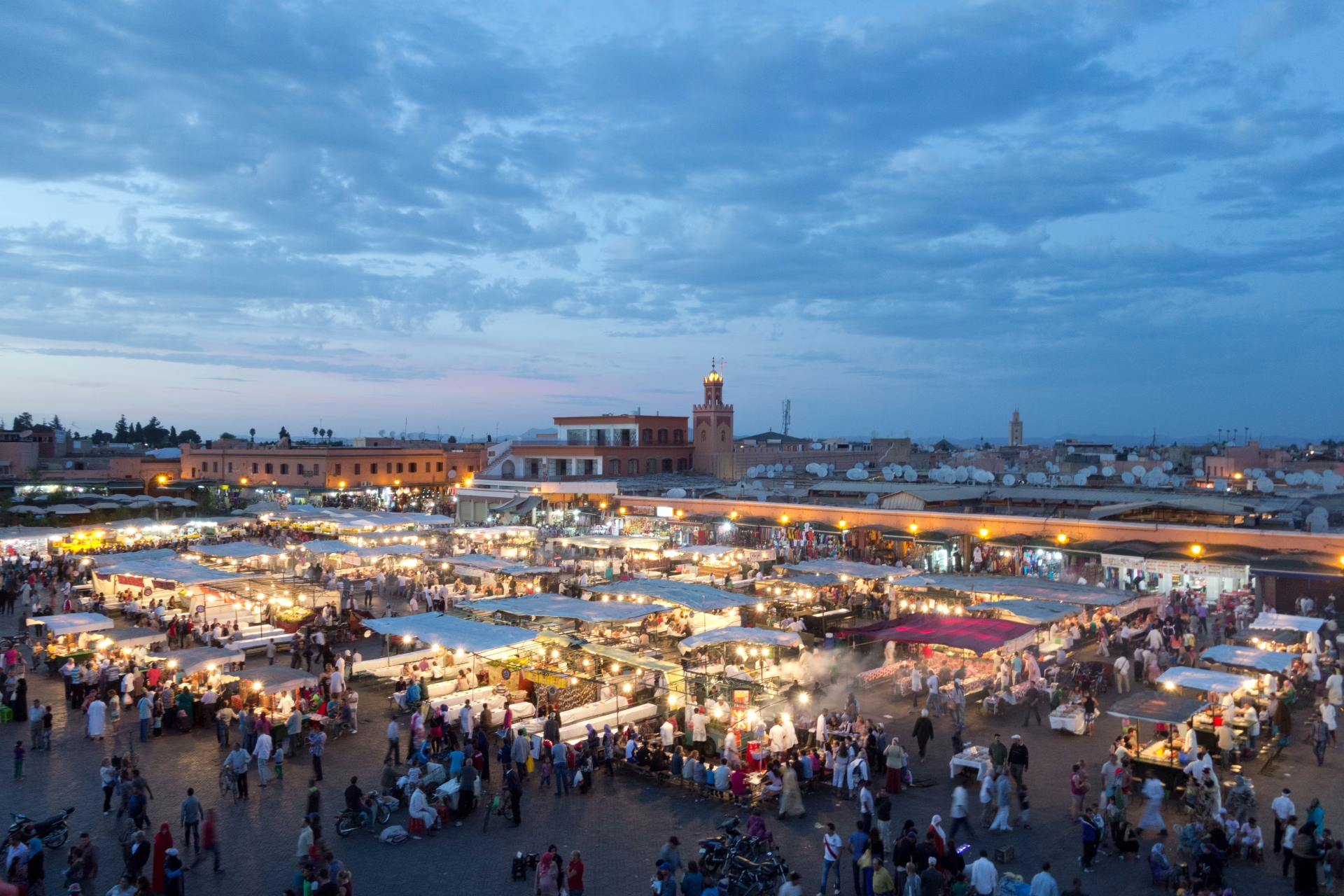
For most tourists, “higher alert” usually means more scams + petty theft, not serious danger.
Marrakech
- Crowds + medina navigation = pickpocket risk
- “Friendly helper” and fake guide scams are more common here than smaller towns
For broader risk context, use: Morocco Safety Update: Current Travel Advisories & Real Risks (2026)
Casablanca & major transit hubs
- Standard big-city awareness: bags, phones, ATMs
Fes (especially the old medina)
- Navigation scams and “guided help” pressure
- A licensed guide turns this into a great experience instead of a stressful one
Mountain regions (winter)
- Weather-driven alerts: snow/ice, road closures, reduced visibility
6) Current Safety Situation in Agadir for Tourists (2026)
Agadir is generally seen as a relaxed coastal base. Typical “risk profile” is:
- Lower intensity medina pressure than Marrakech/Fes
- Standard beachfront petty theft (keep valuables minimal)
- Seasonal Atlantic conditions (if you’re doing surf/boat activities)
If you’re building a coastal itinerary, this helps align “sun-seeker” intent with safety planning: pick reputable beachfront hotels, avoid isolated areas late at night, and keep bags closed in busy promenades.
(If you want, I can also create a dedicated Agadir Safety & Travel Warnings 2026 update page structure that targets “Agadir safety” + “Morocco restrictions 2026” queries.)
7) Latest Updates on Marrakech Travel Advisory Today (How to Check Fast)
For “today” searches, don’t rely on blogs first. Check official sources in this order:
- Your government advisory page (US/UK/CA/AU)
- Local authority updates (weather warnings, road closures)
- Airline notices (delays/cancellations)
- Then use local operator updates for ground reality
That’s exactly why GoMoroccoTour keeps running updates like:
8) What Restrictions Affect International Arrivals to Morocco in 2026?
In practice, the most common “arrival restrictions” are document-related, not political:
- Passport validity mismatches (airline enforcement can be stricter than border rules)
- Missing onward ticket / unclear accommodation proof
- Carrying prescription meds without documentation (rarely an issue, but avoid surprises)
Tour group leader tip: collect passport expiry dates early and set a hard rule: 6+ months validity for everyone to reduce denial risk.
9) The “Real Risks” Tourists Actually Face in Morocco (2026)
Petty theft in crowded areas
Phones, wallets, and daypacks are the #1 targets. Keep it simple:
- Crossbody bag + zipper
- Phone not in back pocket
- Don’t flash large cash in souks
Scams (especially in medinas)
Common patterns:
- “Free directions” → payment demand
- Unofficial guides insisting you’re “lost”
- Overpriced taxi rides without meters
The fix: pre-book transfers, use official taxis, and use licensed guides when exploring old cities.
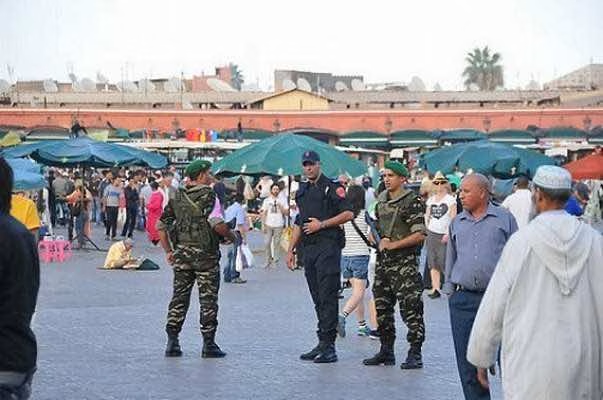
Terrorism (rare, but cited in advisories)
Governments sometimes cite terrorism risk in Morocco, as they do for many countries. For tourists, the practical advice is:
- avoid demonstrations
- stay aware in crowded public places
- follow local security instructions
Weather disruptions (the underrated risk)
Winter rain/flooding and mountain snow can disrupt routes quickly, as recent events have shown.
10) Tour Group Safety Checklist (Copy/Paste)
Use this as a pre-departure standard:
- Passports valid 6+ months
- Travel insurance includes medical + trip interruption
- One shared WhatsApp group + emergency contacts
- Small day bag, no visible expensive jewelry
- Licensed guide for medinas (Marrakech/Fes)
- Winter trips: buffer day + flexible driving plan
- Hydration plan + basic meds (especially for stomach sensitivity)
If your group includes first-timers, these two guides reduce “culture friction” fast:
- Morocco Unspoken Rules: 15 Dos and Don’ts for American Tourists GoMoroccoTour
- How to Avoid Stomach Bugs & Stay Healthy in Morocco (2026 Guide) GoMoroccoTour
FAQs: Morocco Travel Advisory 2026
What is the current Morocco travel advisory level?
It depends on your country. For example, the U.S. lists Morocco as Level 2: Exercise Increased Caution, while Australia advises exercise a high degree of caution. Always verify the latest update on your government’s official page.
Are there Morocco travel restrictions for tourists in 2026?
Morocco is generally open for tourism. Restrictions are most commonly related to passport validity and standard entry rules rather than nationwide bans. Confirm current requirements before departure.
Is Morocco safe for American tourists right now?
Morocco is widely visited by Americans, and the key risks are usually petty theft, scams, and situational awareness in crowds. For a detailed U.S.-focused guide, use your internal safety hub.
Which Moroccan city is safest for tourists?
Most tourist cities are safe with normal precautions. Many travelers find coastal cities like Agadir to feel relaxed, while Marrakech and Fes require more scam awareness due to dense medinas and heavy foot traffic.
What’s the biggest travel risk in Morocco in winter?
Weather disruption is a major winter factor: heavy rain, flooding, and mountain snow can affect driving routes and tour timing.
If you need help planning a safe, comfortable itinerary, explore: